
 EN
EN
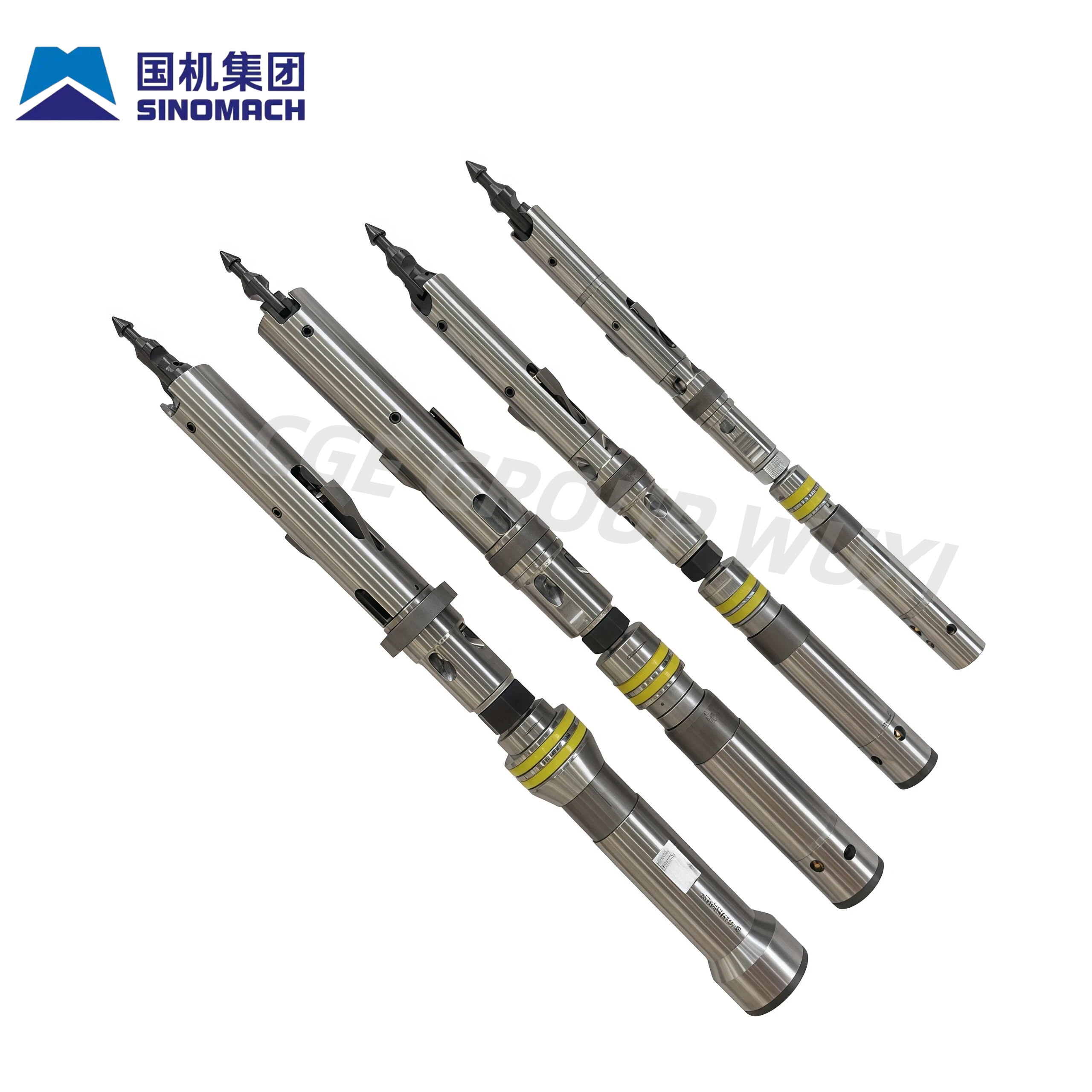
كيف يُمكّن برميل القلب بالكابل من استرجاع العينات بشكل أسرع وأكثر أمانًا
الاستغناء عن سحب سلسلة الحفر: استرجاع العينات في الوقت الفعلي عبر كابل الكابل
برميل الاستخلاص السلكي تُحدث هذه الأنظمة ثورةً في عملية استرجاع العينات الأساسية من خلال استخدام آلية كابل داخلية لاستخراج عينات القلب دون الحاجة إلى سحب سلسلة الحفر بالكامل. ويؤدي ذلك إلى القضاء على الساعات الطويلة التي كانت تقضى سابقًا في رفع آلاف الأقدام من أنابيب الحفر— مما يقلل التأخيرات التشغيلية بنسبة تصل إلى ٤٠٪ وفقًا للدراسات الميدانية الخاصة بكفاءة الأداء. ويواصل المشغلون الحفر باستمرار أثناء استرجاع العينات الأساسية عبر مركز أنبوب الحفر باستخدام أداة «أوفرشوت» متخصصة. وتقلل هذه العملية من التعرّض البشري لمخاطر المعدات الثقيلة، ومن عدم استقرار البئر الناجم عن الحركة المتكررة للأنابيب، وكذلك من التآكل الميكانيكي لمكونات الحفر— ما يجعلها بالغة الأهمية خاصةً في التكوينات العميقة أو تلك الحساسة جيولوجيًّا، حيث يعرّض سحب سلسلة الحفر التقليدي كلاً من سلامة العاملين وسلامة العينات للخطر.
المكونات الحرجة: تجميع أداة الأوفرشوت، وقفل العينة الأساسية، وتصميم الغلاف غير الدوار
تُحقِّق برميل الاسترجاع بالأسلاك (Wireline) مزايا الأداء المتفوقة بفضل ثلاثة مكونات هندسية مُصمَّمة بدقة. تجميعة الأوفرشوت يتصل بكابل السلكي ويُثبَّت في البرميل الداخلي لاسترجاع العينة عبر مركز سلسلة الحفر. وتحته، مزلاج نابضي مزلاج العينة يُثبِّت العينة أثناء الصعود، مما يمنع انفصالها في أقسام البئر المائلة. والأهم من ذلك، أن الغلاف الداخلي غير الدوار يحافظ على اتجاه العينة مع عزلها عن الالتواء الناتج عن سلسلة الحفر — وهي عاملٌ جوهريٌّ للحفاظ على الهياكل الهشة والدقة الجيولوجية.
| مكون | الوظيفة | الأثر التشغيلي |
|---|---|---|
| الغلاف غير الدوار | يفك الارتباط بين العينة ودوران سلسلة الحفر | يحافظ على الهياكل الهشة |
| مزلاج متوازن الضغط | يُثبِّت العينة أثناء الاسترجاع | يمنع فقدان العينة في الزوايا العالية |
| غطاء علوي منخفض الاحتكاك | عبور سلس عبر أنبوب الحفر | يقلل حالات الاحتجاز بنسبة ٦٠٪ |
يحافظ هذا النظام المتكامل على سلامة العينة مع تمكين دورات الاسترجاع في غضون خمس دقائق — ما يُحدث تحولًا في كفاءة اكتساب البيانات الجيولوجية.
التحديات المرتبطة ببراميل أخذ العينات التقليدية في الثقوب المعقدة
تأخيرات ناتجة عن عمليات الصعود والهبوط، والتآكل الميكانيكي، واضطراب العينة في الآبار العميقة/المائلة
في الآبار العميقة أو ذات الانحراف الشديد، تواجه عمليات أخذ العينات التقليدية قيودًا حرجةً تُضعف كفاءة العملية وسلامة العينات على حدٍّ سواء. فكل عملية استرجاع لعينة تتطلب سحب كامل لمجموعة الحفر— وهي عملية تستغرق ما يصل إلى ١٢ ساعة تشغيلية في الخزانات العميقة— ما يترتب عليه مباشرةً تكاليف كبيرةً ناتجةً عن توقف العمليات. ويؤدي هذا السحب المتكرر إلى تسريع التآكل الميكانيكي في وصلات أنابيب الحفر، كما يرفع خطر فشل الأدوات الكارثي بنسبة ٢٧٪ في التطبيقات ذات المدى الممتد. والأهم من ذلك، أن براميل أخذ العينات التقليدية تجد صعوبةً في الحفاظ على سلامة العينة في التكوينات غير المستقرة، حيث يؤدي التعرُّض الطويل للاهتزاز والتقلبات الحرارية إلى تقشُّر العينة (Sloughing) وتدهور بنيتها. والنتيجة هي متوسط معدل استرجاع عينات لا يتجاوز ٧٨,٣٪، بينما تتحرك علامات التوجيه غالبًا أثناء الاستخراج— ما يجعل البيانات الجيولوجية الحاسمة غير موثوقة.
مقارنة الأداء: معدل الاسترجاع، وجودة العينة، والتكلفة التشغيلية
الأدلة الميدانية: متوسط نسبة استرجاع النواة ٩٢.٧٪ باستخدام برميل النواة ذي التوصيل السلكي مقابل ٧٨.٣٪ باستخدام البراميل التقليدية (الرابطة الدولية لمقاولي الحفر IADC للفترة ٢٠٢٢–٢٠٢٣)
تؤكِّد البيانات الميدانية المزايا الكبيرة التي تقدِّمها تقنية برميل النواة ذي التوصيل السلكي. وقد وثَّقت دراسات حديثة أجرتها الرابطة الدولية لمقاولي الحفر (IADC) للفترة ٢٠٢٢–٢٠٢٣ ارتفاع متوسط معدل الاسترجاع بنسبة ١٤.٤ نقطة مئوية (٩٢.٧٪ مقابل ٧٨.٣٪) مقارنةً بالبراميل التقليدية. وينبع هذا الكفاءة مباشرةً من إلغاء عملية سحب وتثبيت عمود الحفر أثناء استرجاع النواة. وبذلك يوفِّر المشغِّلون وقت المنصة ويقلِّلون تكاليف العمالة خلال العمليات المتواصلة، بينما تقلِّل دورات الاسترجاع الأسرع من مخاطر التعرُّض للتكوينات في المناطق غير المستقرة. كما أن خفض تكرار عمليات السحب يقلِّل من التآكل الميكانيكي لمكونات المعدات — ما يسهم في خفض الوقت غير المنتج بنسبة ٢٣٪ في مشاريع الاستكشاف وفقًا للبيانات المرجعية. وتحسِّن هذه التقنية الجدوى الاقتصادية للحفر من خلال تعظيم كمية العيِّنات المستخلصة لكل متر محفور.
ميزة سلامة النواة: تقليل الانزلاقات وحفظ التوجيه في الأقسام ذات الزوايا العالية
تُظهر برميلات أخذ العينات السلكية تفوّقًا حاسمًا في الحفاظ على العينات الجيولوجية في الظروف الصعبة. ففي الآبار المائلة التي تتجاوز زاوية ميلها ٤٥°، تسجّل الطرق التقليدية زيادةً بنسبة ٤٢٪ في حالات تفتت العينة (Sloughing) ناتجةً عن التعرّض الطويل للاحتكاك أثناء عمليات الإدخال والإخراج (Tripping). ويحافظ التصميم الداخلي غير الدوراني لبرميل أخذ العينات السلكي على سلامة البنية من خلال تقليل قوى القص الدورانية، بينما تؤمن آلية القفل الإيجابي للعينة ثبات العينة فور اكتمال تفعيل البرميل بالكامل— مما يمنع انزياحها أثناء الاسترجاع عبر المسارات المعقدة للبئر. وتُستخدم سكاكين التأشير المدمجة لوضع علامات على الخصائص الجيولوجية قبل الاستخراج، ما يضمن الحفاظ بدقة على التوجيه المطلوب لتحليل الكسور ووصف الخزان بدقة في الحقول غير التقليدية. وبفضل تقليل اضطراب العينة، تُوفّر هذه الطريقة بيانات أعلى جودةً تدعم اتخاذ قرارات تقييم التكوين.
إجمالي تكلفة الملكية: عندما تحقّق برميل أخذ العينات السلكي عائد الاستثمار (ROI)
ورغم أن الأنظمة التقليدية تتمتّع بتكلفة أولية أقل، فإن برميل الاستخلاص السلكي يُحقِّق عائد استثمار متفوقًا (ROI) عند تقييمه من خلال تحليل التكلفة الإجمالية للملكية (TCO). وتشمل التكلفة الإجمالية للملكية جميع النفقات التشغيلية — مثل توقف عمليات الحفر، ووقت الطاقم، وصيانة المعدات، ومعالجة فقدان العينات الأساسية — طوال دورة حياة النظام. وفيما يلي مقارنة مستندة إلى بيانات ميدانية من مشاريع استكشاف المعادن العميقة:
| نوع النظام | الاستثمار الأولي | النفقات التشغيلية السنوية | التكلفة الإجمالية المتوقعة للملكية على مدى 5 سنوات |
|---|---|---|---|
| تقليدي | $210,000 | $185,000 | 1.1 مليون دولار أمريكي |
| برميل الاستخلاص السلكي | $380,000 | $95,000 | $740k |
وتقلل نظام البرميل الأسلاكي الآلي من مخاطر التعرُّض التي يتعرض لها الطاقم بنسبة ٤٠٪، كما تلغي ٦٥٪ من الوقت غير المنتج الذي يُقضى في سحب ورفع سلسلة الحفر. وتؤدي العمليات إلى اختصار أوقات الدورة مع الحفاظ على معدلات أعلى لاسترجاع العينات الأساسية (٩٢.٧٪ مقابل ٧٨.٣٪)، ما يقلل بشكل مباشر من الحاجة إلى إعادة الحفر باهظة التكلفة. وتعوِّض هذه الكفاءة الاستثمار الأولي الأعلى خلال فترة تتراوح بين ١٨ و٢٤ شهرًا في التكوينات الجيولوجية المعقدة. ويُبلِّغ المشغلون باستمرار عن انخفاض نسبته ١٩–٢٣٪ في التكلفة الإجمالية للملكية على مدى خمس سنوات مقارنةً بالأنظمة التقليدية، وذلك بسبب تقليل التآكل، وتقليل فترات التوقف، والحفاظ على جودة العينات الأساسية.
قسم الأسئلة الشائعة
ما هو برميل العينة الأسلاكي؟
أسطوانة أخذ العينات السلكية هي أداة حفر متخصصة مصممة لاسترجاع عينات من النواة من التكوينات الجوفية دون الحاجة إلى سحب سلسلة الحفر بأكملها. وتعمل هذه الأسطوانة عبر نظام كابل، ما يسمح باسترجاع العينات بسرعة وأمان من خلال مركز أنبوب الحفر.
كيف تحسّن أسطوانة أخذ العينات السلكية الكفاءة؟
وبإلغاء الحاجة إلى سحب سلسلة الحفر، تقلل أسطوانة أخذ العينات السلكية بشكل كبير من الوقت غير المنتج، وتقلل من التآكل الميكانيكي، وتتيح دورات أسرع لاسترجاع العينات. ويمكن للعاملين مواصلة الحفر أثناء استرجاع العينات، مما يحسّن الكفاءة التشغيلية بنسبة تصل إلى ٤٠٪.
ما المكونات الرئيسية لأسطوانة أخذ العينات السلكية؟
تشمل المكونات الرئيسية لأسطوانة أخذ العينات السلكية تجميع الجزء العلوي (الغطاء العلوي)، ومقبض العينة، والغلاف غير الدوار. وهذه الأجزاء تعمل معًا لضمان استرجاع سلس للعينات، والحفاظ على سلامة العينة، وثبات اتجاهها.
كيف تقارن هذه التقنية بأسطوانات أخذ العينات التقليدية؟
تُظهر برميلات أخذ العينات السلكية أداءً متفوقًا بمعدل استرجاع عينات أعلى (92.7% مقابل 78.3%)، وسلامة أفضل للعينات، وانخفاض في وقت التوقف عن العمل. وهي تتمتع بمزايا خاصة في الآبار العميقة أو المائلة، حيث تواجه الطرق التقليدية تحديات جوهرية.
ما الميزة التكلفة لبرميل أخذ العينات السلكي؟
ورغم أن برميل أخذ العينات السلكي يترتب عليه تكلفة أولية أعلى، فإنه يوفّر نفقات تشغيل أقل ويخفض التكلفة الإجمالية للملكية (TCO) على المدى الطويل. وتُشير البيانات الميدانية إلى أن هذه الأنظمة تحقّق عائد الاستثمار (ROI) خلال فترة تتراوح بين ١٨ و٢٤ شهرًا بفضل المكاسب في الكفاءة وتحسين جودة العينات.
جدول المحتويات
- كيف يُمكّن برميل القلب بالكابل من استرجاع العينات بشكل أسرع وأكثر أمانًا
- التحديات المرتبطة ببراميل أخذ العينات التقليدية في الثقوب المعقدة
- مقارنة الأداء: معدل الاسترجاع، وجودة العينة، والتكلفة التشغيلية
- إجمالي تكلفة الملكية: عندما تحقّق برميل أخذ العينات السلكي عائد الاستثمار (ROI)
- قسم الأسئلة الشائعة