
 EN
EN
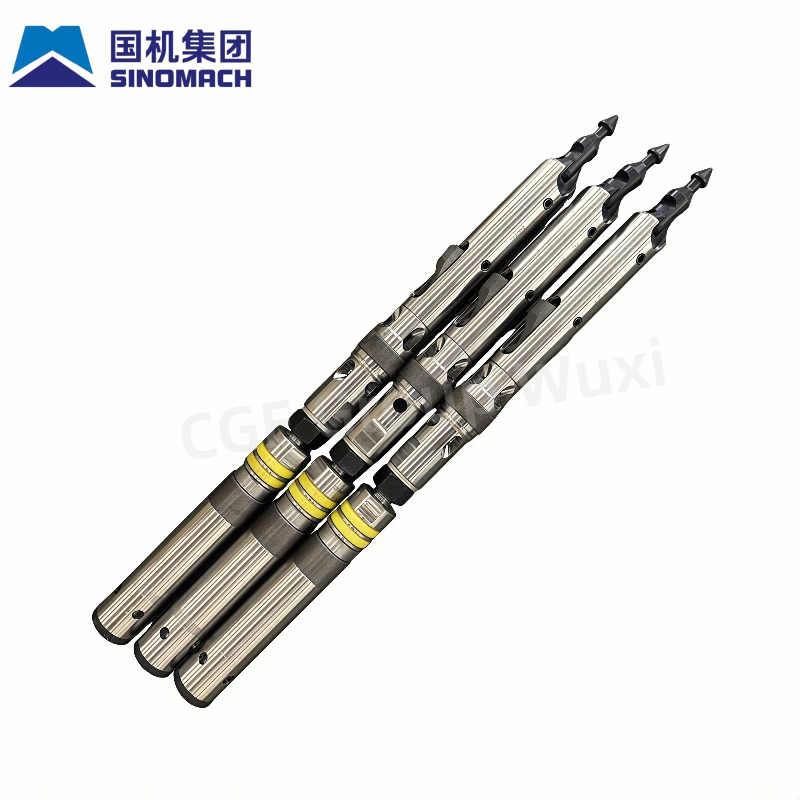
Πώς τα συναρμολογήματα καλωδιακών κορμών βελτιώνουν την ακρίβεια δειγματοληψίας κορμών
Η μηχανική αποσύζευξη του εσωτερικού σωλήνα κατά την ανάκτηση με καλώδιο διατηρεί τη γεωμετρία του κορμού και τη στρωματογραφική συνέχεια
Το σύστημα ανάκτησης με καλώδιο μηχανικά απομονώνει το εσωτερικό σωλήνα που περιέχει τον πυρήνα από το εξωτερικό κάδο πριν από την εξαγωγή — εξαλείφοντας έτσι τη ροπή στρέψης, την ταλάντωση και την παραμόρφωση που προκαλείται από την τριβή. Αυτή η αποσύζευξη διατηρεί τους αρχικούς προσανατολισμούς των στρωμάτων και αποτρέπει την «αλλοίωση» της στρωματογραφίας, γεγονός απαραίτητο για την ερμηνεία λεπτών χαρακτηριστικών της καταβύθισης σε κοιτάσματα υδρογονανθράκων. Τα δεδομένα από το πεδίο δείχνουν μείωση κατά 92% της θραύσης των πυρήνων σε σύγκριση με τη συμβατική λήψη πυρήνων σε ασταθείς ή εξαιρετικά θραυσμένες γεωλογικές μορφές. Διατηρώντας δομές ιζηματογενών αποθέσεων σε κλίμακα χιλιοστών του μέτρου — συμπεριλαμβανομένων των στρωματοποιήσεων, της βιοταραχής και των δικτύων πόρων-λαιμών — οι γεωεπιστήμονες λαμβάνουν πιο ακριβή δεδομένα εισόδου για τα στατικά μοντέλα κοιτασμάτων και τους υπολογισμούς των όγκων των αποθεμάτων.
Διαφορές στην απόδοση ανάλογα με τη γεωλογική μορφή: Γιατί το αμμόλιθος, ο σχιστόλιθος και ο θραυσμένος δολομίτης αντιδρούν διαφορετικά στον σχεδιασμό του καλωδιακού κάδου λήψης πυρήνων
Η απόδοση της ανάκτησης του πυρήνα διαφέρει σημαντικά ανάλογα με τη λιθολογία, λόγω διαφορών στη συνοχή, την εύθραυστη συμπεριφορά και τα φυσικά δίκτυα ρωγμών. Το αμμόλιθος — ειδικότερα με ομοιόμορφη κατάταξη κόκκων και χαμηλή περιεκτικότητα σε αργίλους — επιτυγχάνει συνήθως ανάκτηση ≥95% με τη χρήση τυπικών εσωτερικών σωλήνων από χάλυβα ή πολυμερές. Αντιθέτως, η δομή του σχιστόλιθου, η οποία είναι στρωματώδης και πλούσια σε αργίλους, απαιτεί επιστρώματα πολυμερούς χαμηλής τριβής για να κατασταλεί η στρωματώδης αποκόλληση και η εγκλωβισμός του πυρήνα· τέτοια επιστρώματα μειώνουν τα περιστατικά εγκλωβισμού κατά 68% σε διαστήματα με περιεκτικότητα αργίλου >30%. Ο τραχύδολομίτης με ρωγμές αποτελεί τη μεγαλύτερη πρόκληση: η χαμηλή αντοχή του σε θλίψη (UCS <30 MPa), η υψηλή πυκνότητα φυσικών ρωγμών και η μεταβλητή απώλεια υγρού απαιτούν τριπλούς σωλήνες με αφρό σταθεροποίησης επιτόπου, προκειμένου να «γεφυρώσουν» τις ρωγμές και να αποτρέψουν τη διάσπαση του πυρήνα κατά την ανάκτησή του. Η βέλτιστη επιλογή του καλωδιακού δοχείου ανάκτησης πυρήνων πρέπει συνεπώς να βασίζεται στις μηχανικές ιδιότητες της συγκεκριμένης γεωλογικής μονάδας — και όχι σε γενικευμένες καλύτερες πρακτικές.
Ο σχεδιασμός του εσωτερικού σωλήνα ως κύριος προσδιοριστικός παράγοντας της ακεραιότητας του πυρήνα
Βασικοί μηχανισμοί εγκλωβισμού και φραξίματος του πυρήνα: Ρόλος της δυναμικής τριβής, των διακυμάνσεων πίεσης και της ενέργειας επιφάνειας του εσωτερικού περιβλήματος
Η απώλεια πυρήνα κατά την ανάκτηση με σύρμα οφείλεται σε τρεις αλληλοσυνδεόμενους φυσικούς μηχανισμούς: (1) δυναμική τριβή μεταξύ πυρήνα και επιφάνειας του εσωτερικού περιβλήματος, (2) προσωρινές διαφορές πίεσης κατά την ταχεία ανόδου και (3) αντιστοιχία ενέργειας επιφάνειας στη διεπιφάνεια. Συντελεστές τριβής πάνω από 0,6 προκαλούν διατμητική αστοχία σε μη συμπαγή άμμους και ασθενείς σχιστόλιθους· απότομες πτώσεις πίεσης προκαλούν μικρορωγμές σε εύθραυστες λιθολογίες όπως ο στρωματοποιημένος σχιστόλιθος· ενώ υδρόφιλα εσωτερικά περιβλήματα που έρχονται σε επαφή με υδρόφοβες, λιπαρές από πετρέλαιο αμμόλιθους (ιδιαίτερα με περιεκτικότητα σε πηλό >15%) επιδεινώνουν την πρόσφυση και τον εγκλωβισμό. Συνολικά, αυτά τα φαινόμενα προκαλούν φράξιμο ή θρυμματισμό σε 37% των συμβατικών ανακτήσεων, σύμφωνα με τη Μελέτη Αναφοράς Ανάκτησης Πυρήνων 2023.
Επαλήθευση απόδοσης: Οι εσωτερικοί σωλήνες με επίστρωση πολυμερούς χαμηλής τριβής μειώνουν το φράξιμο κατά 68% σε αποθέματα υψηλής πορώδους
Υδρόφοβες εσωτερικές σωληνώσεις με πολυμερές επίστρωμα—ειδικότερα σύνθετα υλικά PTFE/PEEK—αντιμετωπίζουν ταυτόχρονα και τους τρεις παράγοντες πρόκλησης εμπλοκής. Σε ανθρακικούς ταμιευτήρες υψηλής πορώδους (>30%), πεδιακές δοκιμές δείχνουν ότι αυτές οι εσωτερικές σωληνώσεις μειώνουν τη δυναμική τριβή κατά 52%, μειώνουν τη συχνότητα εμπλοκής από 29 σε 9 ανά 100 πυρήνες (βελτίωση 68%) και μειώνουν την υστέρηση ενέργειας επιφάνειας από 45 mN/m σε 12 mN/m. Κατά κρίσιμο τρόπο, απορροφούν επίσης τις διακυμάνσεις πίεσης μέσω σταθεροποίησης της στρωτής ροής κατά τη διαδικασία εξισορρόπησης. Όπως επιβεβαιώθηκε στο Journal of Petroleum Engineering (2023) , αυτά τα επιστρώματα αυξάνουν την ανάκτηση ακέραιων πυρήνων κατά ≥22% σε σχισματωμένο δολομίτη σε σύγκριση με τις συνηθισμένες χαλύβδινες σωληνώσεις—επιβεβαιώνοντας την αξία τους σε περιπτώσεις όπου η μηχανική ακεραιότητα είναι περισσότερο υπονομευμένη.
Βελτιστοποίηση της διάταξης του καλωδιακού κυλινδρικού δοκιμαστικού σωλήνα: Συγκριτική ανάλυση διπλού έναντι τριπλού σωλήνα
Πότε οι συναρμολογήσεις καλωδιακού κυλινδρικού δοκιμαστικού σωλήνα με τριπλό σωλήνα παρέχουν μετρήσιμα οφέλη ακρίβειας—και πότε εισάγουν περιττή πολυπλοκότητα
Τριπλό σωλήνα καλωδιακός κορμός οι συναρμολογήσεις προσφέρουν επιδείξιμα πλεονεκτήματα ακρίβειας σε γεωμηχανικά πολύπλοκες σχηματισμούς—ειδικότερα σε σχηματισμούς σχιστόλιθου, ζώνες ρηγμάτων και ραγισμένους ανθρακικούς πετρώματα—όπου τα συστήματα διπλού σωλήνα έχουν ιστορικά προκαλέσει ποσοστά απώλειας πυρήνα που υπερβαίνουν το 40%. Το επιπλέον εσωτερικό στρώμα του σωλήνα περιορίζει φυσικά την κίνηση του πυρήνα, καταστέλλει τη διάσπασή του και επιτρέπει την επιτόπια σταθεροποίηση ρηγμάτων μέσω εγχύσεως αφρού. Ωστόσο, σε ομοιογενείς και μηχανικά ανθεκτικούς σχηματισμούς, όπως οι μαζικοί αμμόλιθοι ή οι ασβεστόλιθοι, οι διατάξεις τριπλού σωλήνα δεν προσφέρουν κανένα σημαντικό πλεονέκτημα ανάκτησης, ενώ αυξάνουν τον χρόνο λειτουργίας της γεωτρύπανου κατά 15–20% ανά διάταξη και ενισχύουν τον κίνδυνο μηχανικής αστοχίας σε περιβάλλοντα υψηλής θερμοκρασίας (>150°C). Η χρήση τους θα πρέπει να περιορίζεται σε σχηματισμούς με RQD < 50% ή με τεκμηριωμένη συχνότητα εγκλωβισμού που υπερβαίνει τα δύο περιστατικά ανά 100 μέτρα γεώτρησης.
Πλαίσιο επιλογής προσαρμοστικού στον σχηματισμό: Ενσωμάτωση του RQD, του UCS και της απώλειας υγρού για την καθορισμό του βέλτιστου τύπου καλωδιακού δοχείου ανάληψης πυρήνων
Ένας ανθεκτικός, πεδιακά επαληθευμένος πίνακας επιλογής ευθυγραμμίζει τη διάταξη του συρματένιου κορμού με ποσοτικοποιήσιμες παραμέτρους σχηματισμού—αποφεύγοντας τόσο την υπο- όσο και την υπερ-μηχανική επεξεργασία:
| Παράμετρος | Εφαρμοσιμότητα Διπλού Σωλήνα | Κατώφλι Ενεργοποίησης Τριπλού Σωλήνα |
|---|---|---|
| RQD (Ποιότητα Βράχου) | > 70% | < 50% |
| Ανώτατη θλιπτική αντοχή (MPa) | > 100 | < 30 |
| Απώλεια Υγρού (ml/λεπτό) | < 15 | > 30 |
Αυτό το πλαίσιο παρέχει λειτουργική ακρίβεια: σε σχηματισμούς με υψηλό UCS και χαμηλή απώλεια υγρού, οι διπλοί σωλήνες επιτυγχάνουν 95% ανάκτηση με 22% χαμηλότερο κόστος ανά μέτρο. Αντιθέτως, σε θραυσμένο δολομίτη με UCS < 25 MPa και απώλεια υγρού > 35 ml/λεπτό, απαιτείται συνεχώς προστασία με τριπλό σωλήνα για να διατηρηθεί η ακεραιότητα του κορμού. Ενσωματωμένος με δεδομένα συνεχούς καταγραφής λάσπης (mudlogging) και LWD σε πραγματικό χρόνο, ο πίνακας μειώνει την εσφαλμένη εφαρμογή τύπων κορμού κατά 68%, σύμφωνα με τα πρότυπα βελτιστοποίησης γεώτρησης του 2023.
Συχνές Ερωτήσεις: Συναρμολογήσεις Συρματένιου Κορμού
Ποια είναι η κύρια λειτουργία των συναρμολογήσεων συρματένιου κορμού;
Οι συναρμολογήσεις καλωδιακών διατάξεων λήψης κορμών (wireline core barrel assemblies) σχεδιάζονται για την ανάκτηση δειγμάτων πετρωμάτων από υπόγειες γεωλογικές μορφές χωρίς να προκαλούν σημαντική παραμόρφωση ή να χάνουν την ακεραιότητά τους, γεγονός κρίσιμο για τη γεωλογική ανάλυση και τη μοντελοποίηση κοιτασμάτων.
Πώς προλαμβάνουν τη ζημία του κορμού οι καλωδιακές διατάξεις;
Με τη μηχανική αποσύνδεση του εσωτερικού σωλήνα από τον εξωτερικό κάδο κατά την εξαγωγή, οι καλωδιακές διατάξεις εξαλείφουν τη στρεπτική ροπή, την ταλάντωση και την παραμόρφωση που προκαλείται από την τριβή, διατηρώντας έτσι τη στρωματογραφική συνέχεια του κορμού.
Πότε πρέπει να χρησιμοποιούνται διατάξεις με τριπλό σωλήνα;
Οι διατάξεις με τριπλό σωλήνα είναι ιδανικές για γεωμηχανικά πολύπλοκες μορφές, όπως οι αργιλικές πέτρες (shales) και οι ρηγματωμένες δολομίτες, όπου βελτιώνουν την ανάκτηση του κορμού σταθεροποιώντας τα ρήγματα, αλλά συνήθως δεν είναι απαραίτητες σε ομοιογενείς μορφές, όπως οι αμμόλιθοι.
Γιατί είναι σημαντικά οι ενδοδιαμετρικές επενδύσεις χαμηλής τριβής για την ανάκτηση του κορμού;
Οι ενδοδιαμετρικές επενδύσεις χαμηλής τριβής ελαχιστοποιούν τη δυναμική τριβή, τις μεταβατικές πιέσεις και την πρόσφυση, τα οποία αποτελούν τις κύριες αιτίες εγκλωβισμού και απώλειας του κορμού κατά την ανάκτηση.
Ποιοι παράγοντες επηρεάζουν την επιλογή του κορμού δειγματοληψίας;
Η επιλογή πρέπει να λαμβάνει υπόψη παραμέτρους όπως ο Δείκτης Ποιότητας Βράχου (RQD), η Αθόρυβη Θλιπτική Αντοχή (UCS) και η απώλεια υγρού, διασφαλίζοντας συμβατότητα με συγκεκριμένες γεωλογικές σχηματισμούς.
Περιεχόμενα
-
Πώς τα συναρμολογήματα καλωδιακών κορμών βελτιώνουν την ακρίβεια δειγματοληψίας κορμών
- Η μηχανική αποσύζευξη του εσωτερικού σωλήνα κατά την ανάκτηση με καλώδιο διατηρεί τη γεωμετρία του κορμού και τη στρωματογραφική συνέχεια
- Διαφορές στην απόδοση ανάλογα με τη γεωλογική μορφή: Γιατί το αμμόλιθος, ο σχιστόλιθος και ο θραυσμένος δολομίτης αντιδρούν διαφορετικά στον σχεδιασμό του καλωδιακού κάδου λήψης πυρήνων
-
Ο σχεδιασμός του εσωτερικού σωλήνα ως κύριος προσδιοριστικός παράγοντας της ακεραιότητας του πυρήνα
- Βασικοί μηχανισμοί εγκλωβισμού και φραξίματος του πυρήνα: Ρόλος της δυναμικής τριβής, των διακυμάνσεων πίεσης και της ενέργειας επιφάνειας του εσωτερικού περιβλήματος
- Επαλήθευση απόδοσης: Οι εσωτερικοί σωλήνες με επίστρωση πολυμερούς χαμηλής τριβής μειώνουν το φράξιμο κατά 68% σε αποθέματα υψηλής πορώδους
-
Βελτιστοποίηση της διάταξης του καλωδιακού κυλινδρικού δοκιμαστικού σωλήνα: Συγκριτική ανάλυση διπλού έναντι τριπλού σωλήνα
- Πότε οι συναρμολογήσεις καλωδιακού κυλινδρικού δοκιμαστικού σωλήνα με τριπλό σωλήνα παρέχουν μετρήσιμα οφέλη ακρίβειας—και πότε εισάγουν περιττή πολυπλοκότητα
- Πλαίσιο επιλογής προσαρμοστικού στον σχηματισμό: Ενσωμάτωση του RQD, του UCS και της απώλειας υγρού για την καθορισμό του βέλτιστου τύπου καλωδιακού δοχείου ανάληψης πυρήνων
-
Συχνές Ερωτήσεις: Συναρμολογήσεις Συρματένιου Κορμού
- Ποια είναι η κύρια λειτουργία των συναρμολογήσεων συρματένιου κορμού;
- Πώς προλαμβάνουν τη ζημία του κορμού οι καλωδιακές διατάξεις;
- Πότε πρέπει να χρησιμοποιούνται διατάξεις με τριπλό σωλήνα;
- Γιατί είναι σημαντικά οι ενδοδιαμετρικές επενδύσεις χαμηλής τριβής για την ανάκτηση του κορμού;
- Ποιοι παράγοντες επηρεάζουν την επιλογή του κορμού δειγματοληψίας;