
 EN
EN
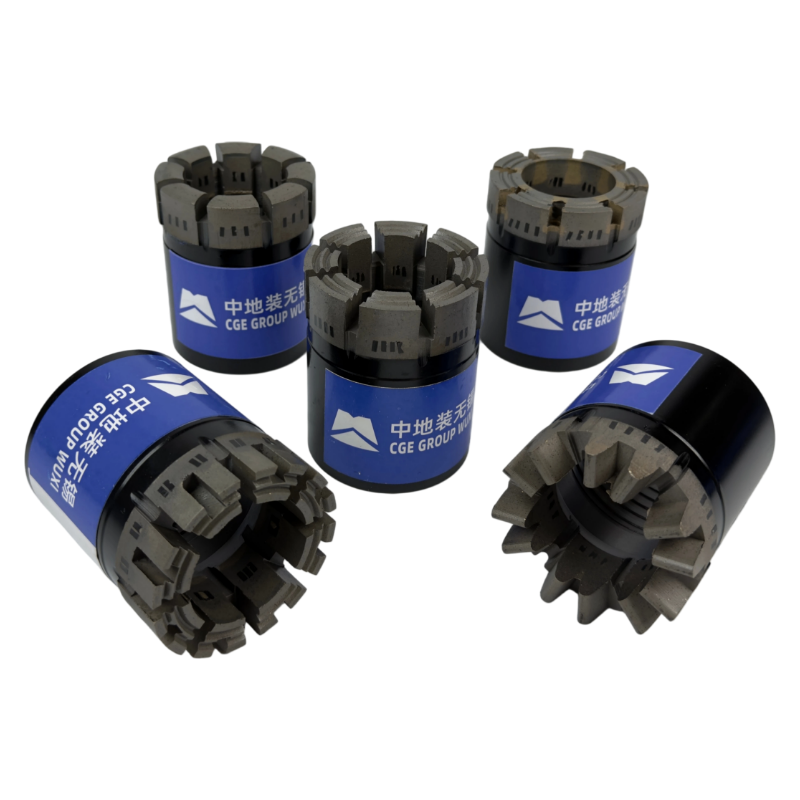
Passa borðunarvopn við bergmyndun og loðuskilyrði
Val á borðunarvopnum eftir bergtegund, harðleika og slípandi eiginleikum (PDC vs. rulluhálsborðunarvopn vs. fastskorn vopn)
Steinhardleiki og deyfingareiginleikar eru helstu ákvarðanir á afköstum borhugsa. Polýkrystallaðir diamantþjúkkaðir (PDC) hugsar veita yfirráðandi slípavarnir í deyfinguformunum eins og sandsteini og skeljusönd, takmarkaðir af diamantauknum skurðhlutum. Rulluhugsar afhenda besta niðurstöðurnar í mjúkum, ekki-deyfingu steinum eins og kalksteini – þar sem snúðu tennur brjóta efri en skerja efnið. Fastskurðhugsar, meðal annars sérhæfðir tungsten-karbíð eða hitastöðugir PDC-hugsar, eru hannaðir fyrir jafna slífun í harðum, brjótleikum formunum eins og gránít. Hardleiki – sem oft er metinn með Mohs-máli (1 = talk, 10 = diamant) – veitir gagnlegt tilvísunarmark, en deyfingareiginleikar (sem valda kvartsinnihaldi, kornaskekkju og ójafnvægi í formuninni) eru oft mikilvægri í raunveruleikanum. Ósamræmi á milli hugsa og steins getur hrökkvað slípun um 30%, hækkað skiptikostnað og aukat óáætlaða stöðu [Drilling Efficiency Journal, 2023]. Rekstrarupplýsingar sýna ávallt að PDC-hugsar lifa upp í 40% lengur en rulluhugsar í mjög deyfingu aðstæðum.
Val á skrufu og sérhæfðum tólum fyrir jarðtegundir: leir, sandur, grjót og blandaðar aðstæður
Eiginleikar jarðar – ekki aðeins samsetning hennar – ákvarða val á skrufu. Í samföstu leiri leiðir plöstið til þess að bitinn verði „kúlulaga“; skrúfur með glatt yfirborð og víða, opna flugþátta bæta frávörpun á efni og minnka snúðkraftsbylgjur. Í losu, ósamföstu sandi krefst gatvallar óstöðugleika, svo það er nauðsynlegt að stöðvast – hol-skrufur veita samfellda stuðningsskál í gegnum framvindu. Grjót- og steinagrunnur krefjast flugþátta sem eru ástandshaldandi gegn áhrifum og með karbíðspýndum eða tvöföldum höfuðum sem geta bæði skorid og brotist. Fyrir blandaða eða millistöðu-svæði eru samsettar borhöfuð – með skiptanlegum eða margföldum skurðhlutum – viðeigandi vegna fjölbrúkunar án þess að missa á þolmiðlun. Rétt samræming á tóli og jarðtegund minnkar útgröftartímann um 25% og lækkar áhrifavænt áhrif gatvallarafviks, fastklamms tóls eða samrekks skálunnar [Vísitölufrámyndun í atvinnulífinu, 2023].
Að hámarka árangur og tæknitíma með að stilla borðunarstillingar
Jafnvægi þyngdar á biti (WOB) og snúningstímans (RPM) til að ná bestu áframferðaráhraða (ROP) og minnka slitage
Þyngd á biti (WOB) og snúningstími (RPM) verða stillt samhliða – ekki í einangrun – til að hámarka áframferðaráhraða (ROP) án þess að skemma tæknina. Of mikil WOB veldur brotum á skerfum og ofhleypingu á kúlulagrum; of lítt RPM takmarkar skerðarvirkni og veldur kljáfastöðugleika (stick-slip). Besta jafnvægið byggist ekki svo mikið á almennri flokkun bergsaga sem á raunverulegri viðbrögðum: breytingum á snúðkrafti, stærð/dreifingu borðunarskamms og hitastigshreyfingum neðan jarðar. Sem praktísk leiðbeining:
| Hörðleiki laganna | Mæld WOB | Viðeigandi snúningstölusvæði | Bætting á ROP miðað við grunnlínu |
|---|---|---|---|
| Mjálft | 10–15 kN | 100–150 | 20–30% |
| Miðlungs | 15–20 kN | 80–120 | 10–20% |
| Fast | 20–25 kN | 60–90 | 5–10% |
Dynamísk stilling á stillingum – sem er möguleg með innbyggðum MWD/LWD kerfum – kvarðar hitasprettu (thermal runaway) og mikro-þurrkun (micro-fatigue), lengir notkunartíma bita og heldur áfram áformlegum ROP.
Að forðast ofhraða: Þegar hærra RPM hröðar brot tækninnar
Hærra snúningstíði er ekki alltaf ágóðamikil – og í röfandi eða hátt þjöppuðum aðstæðum er það oft ógagnlegt. Of mikill snúningur veldur friðjunarhitastigi sem eyðir PDC-sniðjum og hrðar slíðrun á gólfunum, ásamt aukinni hydraulískri slíðrun á bit-yfirborðum. Rannsóknir staðfestir að aukning á snúningstíði yfir formálsákvörðuðum þröskuldum minnkar notkunartíma bita allt að 50% hraðar í grjótþéttum eða kvartsískum lagagangum [Geotechnical Analysis, 2024]. Í einum reyndarannsóknarverkefni lækkaði 15% lækkun á snúningstíði fjölda óvænta tjóna um 25% í blönduðum grjót- og leirlagagöngum. Starfsfólk ætti að taka upp „hraða-til-svörunar“-áætlun: hækka snúningstíði aðeins í litlum skrefum þegar snúðurinn er stöðugur og færsla á sniðmöguleikum bætist – byggð á rauntíma gagnagjafu frá sínumum, ekki á fyrirfram stilltum tímasetningum.
Nýta viðbótargæslu og vökvastjórnun til kostnaðarstjórnunar
Áætlaðar inspektionar, smurrun og skiptireglur sem lengja Boringaraðgerðir Notkunartíma um allt að 37%
Forsætiskennd viðhald færir áhersluna frá tímabundnum skilum yfir á aðgerðir sem byggja á staðaákvörðun. Hágæða sjón- og últrahárraðarinspektionar greina mikróþrepur undir yfirborði, afbrjótingu á sniðvélum eða leysingu í ásberum áður en virkjunarskekkja á sér stað. Nákvæm smyrsla—með hitastöðugum, EP-greisum sem eru beittar undir stýrðum þrýstingi—minnkar friðjun á ásberum og hitaproduktið um meira en 25%, sem hækkar beint hraða slífrunar. Í mikilvægum tilvikum er ákvarðanir um skiptingu studdar af rauntíma mælingum á slífrun—t.d. tap á dýpt sniðvélanna, þröskuldsverði á veltu eða hljóðgeisla—sem lengja meðaltal líftíma verkfærisins um allt að 37% miðað við fastar skilaskilyrði [Drilling Efficiency Journal, 2023]. Þetta umbreytir viðhaldi frá endursöknum kostnaðarstjórnun í málefnilegan áhrifavaldara á notkunartíma og áframhaldandi kostnaðarafurð.
Val og fjármögnun á borðufloeði til að lágmarka bitabollun, ruslan og hydraulíska eyðingu
Borvökvi er ekki aðeins flutningsmiðillur—hann er líka mikilvægur stjórnunarmiðillur fyrir verkfæri. Í leirríkum jarðvegi eru lágvíska, pólýmerbyggðar vökvar (t.d. PHPA- eða PAC-kerfi) notuð til að hindra viðhengingu rönd og lágmarka kúlubildun án of mikillar gel-styrks. Í salt- eða sulfíðríkum umhverfi minnka ruslverndarviðbætur—svo sem myndandi amínur eða nítrítbyggðar viðbætur—oxunarskemmdir á steinkomponentum um allt 40%. Rauntímaeining á þéttleika, pH-gildi og föstum efni í vökva gerir kleift að rétta ójafnvægi strax, sem annars geta hrökkvað hydraulískt eyðileggingu—sérstaklega við sprautugöngur og mælikortaplötur í grjótþykkum myndunum. Samræmd vökvaoptímígering minnkar bitaskemmdir og lækkar árlega skiptitíðni um allt 30%, sem gefur samansafnaða sparnað í öllum flotastofnunum.
Algengar spurningar
Hver er varðveisluhræðasta borbitinn fyrir grjótþykkar bergmyndanir?
Polýkrystallaðir diamantþéttskífur (PDC) eru þeir mest viðþrifnustu fyrir röfulegar lagagerðir eins og sandsteinn, þar sem þeir hafa diamantútgörðum skurðhluta sem standa vel upp á slíkri slíðrun.
Hvernig get ég valið viðeigandi skurðvél til að nota í mismunandi jarðtegundum?
Skurðvélir ættu að passa við hegðun jarðarinnar. Fyrir leir ættu að velja skurðvél með hreinsuðu yfirborði og víðum skurðhjóli. Í sandlaga aðstæðum tryggja hol-stofnaðar skurðvélir staðfestingu á borholum á meðan þær eru dregnar niður. Jarðtegundir sem innihalda margt grjót krefjast skurðvél með karbíðspýndum skurðhlutum til að skera og brota upp.
Hvernig áhróa borðunarstillingar á líftíma tólanna?
Það er mikilvægt að jafna vægi á bitanum (WOB) og snúningstíðni (RPM) rétt. Of hátt WOB eða RPM getur valdið skurðhlutabrotum, ofhleðslu á ásbeiningum eða hitaskemmdum. Að lágmarka þessar stillingar samkvæmt raunverulegum aðstæðum bætir líftíma tólanna.
Hverjar eru ávinningarnir af forvarnaraðgerðum við viðhald á borðunartólum?
Forvarnaraðgerðir við viðhald, svo sem reglubundin skoðun, smurning með hárgæða smurni og notkun rauntíma mælinga á slíðrun, geta lengt líftíma tólanna um allt að 37%, sem minnkar óvirku tíma og rekstrar kostnað.
Hvers vegna er mikilvægt að stjórna borðufloeði?
Borðufloeði lágmarka bitaböllun, ruslun og hydraulískt eyðileggingu. Með því að nota pólýmerbyggð floeði eða ruslunarvarnir sem hafa verið útbúin fyrir ákveðnar jarðskilyrði er hægt að lækkka mistök um allt að 30%.
Efnisyfirlit
- Passa borðunarvopn við bergmyndun og loðuskilyrði
- Að hámarka árangur og tæknitíma með að stilla borðunarstillingar
- Nýta viðbótargæslu og vökvastjórnun til kostnaðarstjórnunar
-
Algengar spurningar
- Hver er varðveisluhræðasta borbitinn fyrir grjótþykkar bergmyndanir?
- Hvernig get ég valið viðeigandi skurðvél til að nota í mismunandi jarðtegundum?
- Hvernig áhróa borðunarstillingar á líftíma tólanna?
- Hverjar eru ávinningarnir af forvarnaraðgerðum við viðhald á borðunartólum?
- Hvers vegna er mikilvægt að stjórna borðufloeði?