
 EN
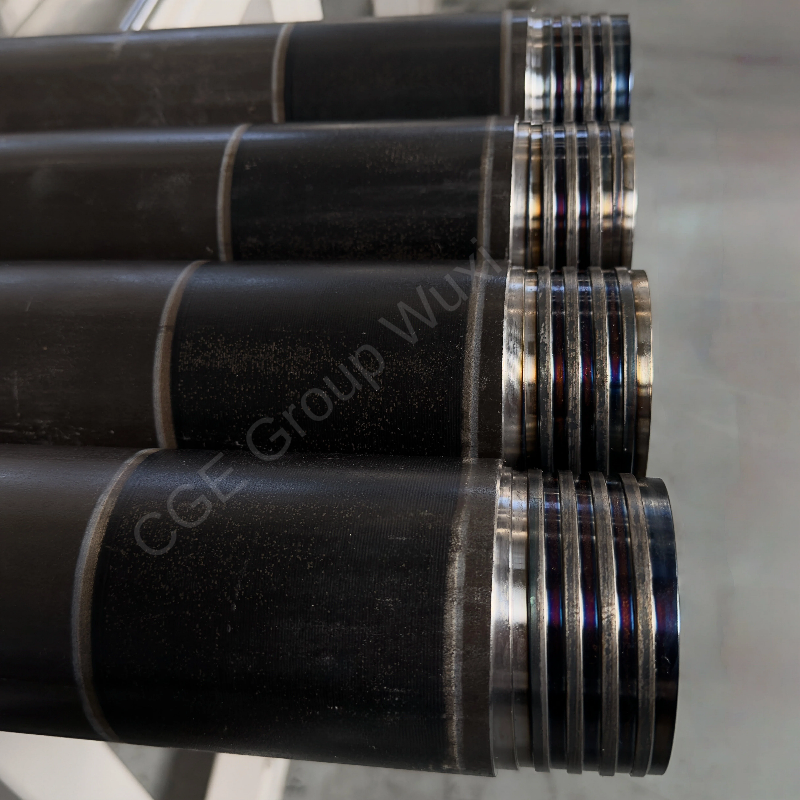
Variable wall drill rods are essential components in various drilling applications, designed to adapt to different geological conditions and optimize performance. As a B2B buyer, understanding the nuances of variable wall drill rod design for different drilling conditions is crucial for making informed purchasing decisions. This article will delve into key considerations for selecting these rods, provide a buyer’s guide, outline sourcing strategies, discuss cost factors for bulk orders, and compare the advantages of various materials. By the end, you will have a comprehensive understanding to facilitate your procurement process.
What to Consider When Choosing Variable Wall Drill Rods for Projects
When selecting variable wall drill rods, consider the specific requirements of your drilling project. Key factors include:
Geological Conditions: Understand the types of formations you will encounter, such as soft rock, hard rock, or unstable ground. Variable wall wireline drill rod are designed with different wall thicknesses that can enhance performance in these varying conditions.
Drilling Depth and Diameter: The depth of your drilling project will dictate the required rod length and diameter. Ensure that the selected rods can withstand the pressure and stress at greater depths, as well as provide adequate support to the drill bit.
Material Specifications: The choice of material significantly impacts durability and performance. Common materials include steel, alloy steel, and composite materials, each offering different levels of strength and corrosion resistance. Assess the environmental factors that may affect the rods, such as moisture or chemical exposure.
Compatibility with Equipment: Ensure that the drill rods are compatible with your existing drilling equipment. Misalignment or incompatibility can lead to inefficiencies or equipment damage.
Customization Needs: Depending on the project specifics, you might require customized features such as specific thread types or lengths. Discuss your requirements with potential suppliers to ensure they can meet your needs.
Understanding these factors will help you choose the right variable wall drill rods that enhance efficiency and longevity in your projects.
A Buyer’s Guide
When preparing to purchase variable wall drill rods, follow this structured approach:
Specification Confirmation: Before requesting a quote, gather detailed specifications, including the desired length, diameter, wall thickness, and material type. This will help suppliers provide accurate quotes.
Request for Quotation (RFQ): Include essential details in your RFQ, such as the quantity needed, delivery timelines, and any customization requirements. Being thorough in your request will facilitate smoother communication with suppliers.
Sample Evaluation: Always request samples before placing a bulk order. Inspect these samples for quality, dimensions, and material properties. Testing under actual operating conditions is advisable to ensure performance meets expectations.
Supplier Evaluation: Assess potential suppliers based on their experience, manufacturing capabilities, and quality control processes. Look for companies with a strong track record in producing drilling tools, such as CGE Group Wuxi Drill Tools Co., Ltd., which boasts extensive industry experience and a portfolio of patents.
Post-Purchase Support: Inquire about the post-purchase services offered, including technical support, warranties, and return policies. Suppliers that provide comprehensive support can significantly enhance your purchasing experience.
This structured approach will help you navigate the procurement process effectively and ensure that you are making informed decisions.
Where to Source Reliable Suppliers for Variable Wall Drill Rods
Finding reliable suppliers for variable wall diamond drill bits involves several strategies:
Industry Associations and Trade Shows: Attend industry-specific trade shows and join associations. These venues provide opportunities to meet manufacturers and suppliers, allowing you to assess product quality and build relationships.
Online Marketplaces and Directories: Utilize B2B platforms and directories to research suppliers. Look for those with verified customer reviews and detailed company profiles. This can help you identify reputable suppliers in the drilling tools sector.
Referrals and Recommendations: Seek recommendations from industry colleagues or professionals who have experience with specific suppliers. Personal referrals can lead you to trustworthy manufacturers with a proven track record.
Direct Manufacturer Outreach: Consider reaching out directly to manufacturers like CGE Group Wuxi Drill Tools Co., Ltd. They can provide insights into their production capabilities, product lines, and custom solutions for your drilling needs.
Quality Certifications: Verify that potential suppliers hold relevant certifications, indicating adherence to industry standards. This can be an essential factor in ensuring product reliability and quality.
By implementing these sourcing strategies, you can build a shortlist of reliable suppliers to meet your variable wall drill rod needs.
Cost Factors to Keep in Mind for Bulk Orders of Drill Rods
Understanding the cost structure when ordering variable wall drill rods in bulk is vital for budgeting effectively. Key cost factors include:
Material Costs: Different materials come with varying price points. Steel is generally less expensive than specialized alloys or composite materials, but the latter may offer enhanced performance in specific applications.
Manufacturing Processes: The complexity of the manufacturing process can affect costs. For instance, rods requiring intricate designs or customization may incur higher production costs.
Volume Discounts: Most manufacturers offer discounts for bulk orders. Inquire about the pricing tiers based on quantity to maximize your budget.
Shipping and Handling: Factor in shipping costs, which can vary based on the weight of the order and the distance to the delivery location. Ensure that these costs are included in your total budget.
Lead Times: Longer lead times for customized or complex orders may also impact costs, particularly if you need to account for potential delays in your project timeline.
By keeping these cost factors in mind, you can better manage your budget and make informed purchasing decisions.
Comparing Material Advantages of Variable Wall Drill Rods
The material used in variable wall drill rods plays a critical role in their performance and suitability for specific applications. Here’s a comparison of common materials:
Carbon Steel: This is the most widely used material, offering a good balance of strength, durability, and cost-effectiveness. Carbon steel rods are suitable for general drilling applications but may require protective coatings in corrosive environments.
Alloy Steel: Alloy steel rods are engineered for enhanced performance, offering greater strength and resistance to wear and tear. They are ideal for demanding drilling conditions, such as hard rock formations. Their higher cost is often justified by their superior performance.
Composite Materials: These rods are lightweight and resistant to corrosion, making them suitable for specialized applications where weight reduction is critical. However, they may not provide the same level of strength as steel options.
Stainless Steel: For environments with high corrosion risks, stainless steel sucker rod are an excellent choice. They offer longevity and maintain performance in harsh conditions, but they come at a higher price point.
Bimetallic Compositions: Some advanced rods utilize bimetallic compositions to combine the strengths of different materials, providing enhanced performance in specific applications. These options may be tailored to meet unique project requirements.
By understanding the advantages and limitations of each material type, buyers can select the most suitable variable wall drill rods for their specific drilling conditions.
Selecting the right variable wall drill rods involves careful consideration of project requirements, supplier capabilities, and material properties. As you engage with suppliers, ensure you ask the right questions and evaluate options that align with your operational needs.