
 EN
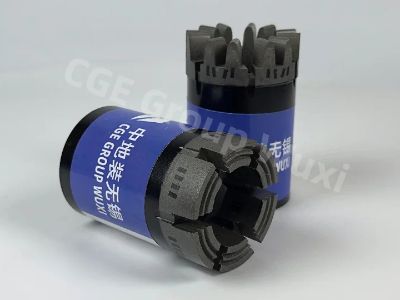
Core drilling is essential in various industries, from geology to environmental governance, and the choice of drill rods plays a crucial role in ensuring efficient and effective operations. This article explores why BQ, NQ, HQ, and PQ drill rods remain common in core drilling applications. We will address key specifications, sourcing options, cost factors, common challenges, and how to determine the best option for your needs, helping purchasing managers and engineers make informed decisions.
Key Specifications of BQ NQ HQ PQ Drill Rods for Industrial Applications
BQ, NQ, HQ, and PQ drill rods are standardized sizes used in core drilling, each suitable for different depths and applications.
BQ (36mm): Commonly used for shallow drilling, this size is ideal for small-diameter holes and is often preferred in mineral exploration.
NQ (47mm): This diameter is used for medium-depth drilling, balancing strength and weight, making it versatile for various applications, including environmental projects.
HQ (63mm): Designed for deeper drilling tools manufacturer, HQ rods are robust enough to handle tough geological conditions while maintaining core integrity.
PQ (83mm): The largest of the series, PQ rods are used for the deepest holes, making them suitable for large-scale mineral exploration and geotechnical investigations.
Key specifications to consider include the material composition, typically high-strength steel, and the heat treatment processes that enhance durability and resistance to wear. Understanding these specifications helps buyers select the right drill rod based on depth, geological conditions, and core sample quality requirements.
Where to Find Wholesale Suppliers of BQ NQ HQ PQ Drill Rods?
Finding reliable wholesale suppliers for BQ, NQ, HQ, and PQ drill rods is crucial for ensuring consistent quality and availability. Start by researching manufacturers with a strong reputation in the drilling tool sector, such as CGE Group Wuxi Drill Tools Co., Ltd., a state-owned enterprise with over 60 years of experience and a portfolio of 81 patents.
Trade shows and industry exhibitions are excellent venues to connect with suppliers and assess their capabilities firsthand. Online B2B marketplaces and industry directories can also provide a comprehensive list of potential suppliers, offering insights into their product range and customer reviews.
When evaluating suppliers, consider factors such as their production capacity, customization options, quality control processes, and certifications. Additionally, request samples to evaluate product quality and compatibility with your existing drilling equipment before committing to bulk orders.
Cost Factors to Evaluate When Sourcing BQ NQ HQ PQ Drill Rods
The cost of BQ, NQ, HQ, and PQ drill rods can vary significantly based on several factors. Key elements influencing pricing include:
Material Costs: The type of steel and any additional alloying elements can affect raw material prices. High-strength and specialized steels typically command higher prices but offer better durability and performance.
Manufacturing Processes: Rods that undergo advanced manufacturing processes, such as heat treatment or surface hardening, may have higher upfront costs but can provide long-term savings through reduced wear and maintenance.
Customization: If you require specific lengths, coatings, or thread types, customization can increase both lead time and cost. Ensure that the benefits of customization align with your operational needs.
Order Quantity: Bulk purchases generally lower the per-unit cost. Establishing a long-term relationship with a supplier may also lead to negotiated discounts based on volume commitments.
Shipping and Handling: Consider transportation costs and delivery times, especially if sourcing from international suppliers. Import duties and local regulations may also impact overall costs.
Understanding these factors enables purchasing managers to make informed decisions that balance cost with quality and performance.
Common Problems with BQ NQ HQ PQ Drill Rods and Effective Solutions
While BQ, NQ, HQ, and PQ drill rods are widely used, several common issues can arise during their use:
Thread Damage: Improper handling or incorrect assembly can lead to thread stripping or damage. Ensure that all personnel are trained in proper assembly techniques, and inspect threads regularly.
Corrosion: Exposure to harsh environmental conditions can cause rods to corrode. Selecting rods with appropriate protective coatings, such as galvanized or epoxy finishes, can mitigate this risk.
Bending or Warping: Excessive force during diamond drill bits or improper transport can lead to bent rods. Use appropriate lifting equipment and store rods in a manner that prevents deformation.
Inefficient Core Recovery: Poor core recovery can result from inadequate rod selection or improper drilling techniques. Conduct thorough geological assessments to select the correct rod type and implement best practices in drilling operations.
By proactively addressing these issues, companies can enhance the longevity and performance of their geological core drilling tools, reducing downtime and operational costs.
Which Option Suits Your Needs Best?
Choosing the right drill rod—BQ, NQ, HQ, or PQ—depends on several factors, including the depth of drilling, the type of material being drilled, and the specific requirements of the project. Here are some considerations:
Project Depth: For shallow projects, BQ rods may be sufficient, while deeper operations may necessitate HQ or PQ rods for their greater strength and core recovery capabilities.
Geological Conditions: Assess the hardness and abrasiveness of the materials to be drilled. In tougher conditions, opt for larger diameter rods that can withstand more stress.
Core Sample Quality: If high-quality core samples are critical for analysis, consider the specifications of each rod type and their ability to maintain core integrity.
Budget Constraints: Evaluate the total cost of ownership, including initial purchase price, maintenance, and potential downtime. Sometimes, investing in higher-quality rods can lead to lower overall costs.
By considering these factors, purchasing managers can make decisions that align with operational needs and project goals, ensuring that the right drill rods are selected for each application. Understanding the specifications, sourcing options, cost factors, common challenges, and application suitability of BQ, NQ, HQ, and PQ drill rods is essential for optimizing core drilling projects. Making informed decisions in these areas will enhance operational efficiency and ensure successful outcomes in various drilling applications.