
 EN
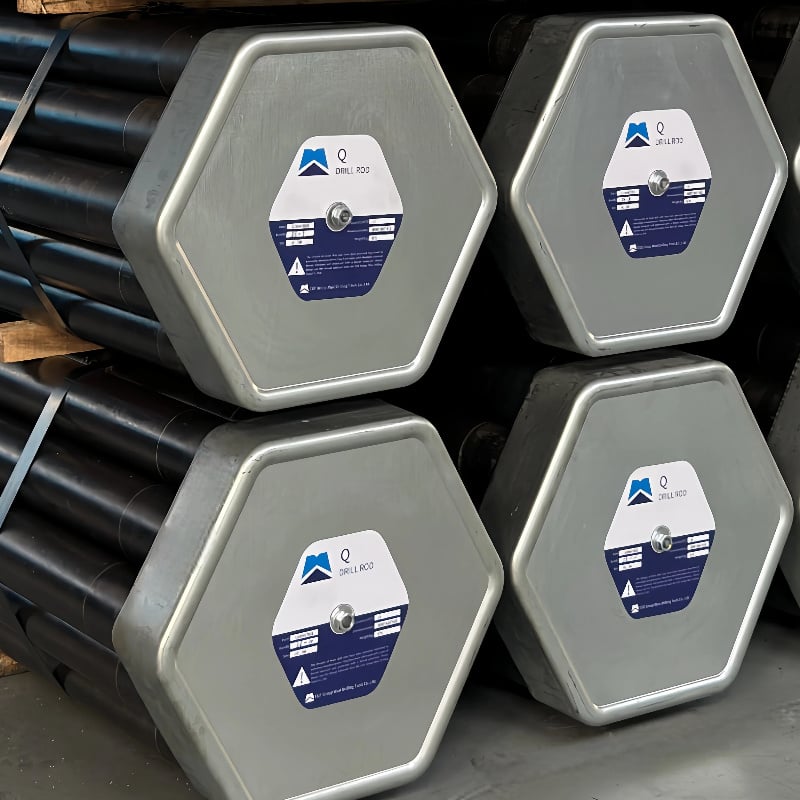
Wireline core drill pipe for continuous core recovery is a critical component in various drilling applications, especially in geological exploration, environmental governance, and natural resource extraction. As a purchasing manager or engineer, understanding the specifications, quality evaluation criteria, installation challenges, and reliable sourcing options is essential for making informed decisions. This article will elucidate these aspects, providing practical insights to help you navigate your procurement process effectively.
Key Specifications of Wireline Core Drill Pipe for Optimal Performance
When selecting wireline core drill pipe, understanding key specifications is vital for achieving optimal performance. Critical factors include:
Material: The wireline drill rod is typically made from high-strength steel alloys that provide durability and resistance to wear. The choice of material affects the pipe's ability to withstand pressure and environmental conditions.
Diameter and Length: Standard diameters range from 1.5 inches to 3 inches, with lengths often exceeding 30 feet. The diameter influences the core sample size, while length impacts the depth capability and transport efficiency.
Wall Thickness: Thicker walls enhance strength and reduce the risk of deformation under high pressure. However, this may add weight, which is a crucial consideration in terms of handling and transport.
Connection Types: Common connection types include male and female threads and specialized couplings. The choice of connection affects the ease of assembly and disassembly, as well as the integrity of the drilling system.
These specifications play a significant role in ensuring that the drill pipe meets the operational demands of specific drilling environments, such as high-pressure oil and gas applications or lower-pressure geological surveys.
How to Evaluate Product Quality for Wireline Core Drill Pipe Purchases
Evaluating the quality of wireline core drill pipe before purchase is essential to ensure reliability and performance. Consider the following aspects:
Certifications: Look for products that meet international standards such as ISO 9001 for quality management systems. Certifications provide assurance that the manufacturing processes and materials adhere to stringent quality controls.
Quality Control Processes: Inquire about the supplier's quality control measures. This may include material testing, dimensional verification, and pressure testing to ensure that each batch meets specified standards.
Product Samples: Before placing a large order, request samples to assess their physical properties, including weight, fit, and finish. Testing these samples under actual operating conditions can help identify any potential issues.
Supplier Reputation: Research the supplier's history, customer reviews, and case studies to gauge their reliability and product performance in similar applications. A reputable manufacturer will often have a proven track record of successful deliveries.
By focusing on these quality evaluation criteria, buyers can mitigate risks associated with performance failures and ensure that they are investing in dependable equipment.
What Buyers Should Know
Before proceeding with a purchase of wireline geological core drilling tools, buyers should gather specific information to streamline the procurement process:
Application Requirements: Clearly define the application for which the drill pipe will be used. Different applications may require varying specifications in terms of strength, flexibility, and corrosion resistance.
Customization Options: Discuss potential customization with the manufacturer. Custom lengths, diameters, or connection types can often be accommodated but may affect lead times and pricing.
Lead Times and Pricing: Understand the supplier’s lead times for production and delivery, as this can impact project timelines. Additionally, investigate how pricing may vary based on order quantity and customization.
Minimum Order Quantity (MOQ): Determine the MOQ to avoid over committing resources on a product that may not be needed in such quantities.
Collecting this information upfront will facilitate a smooth purchasing process and help ensure that the final product aligns with project needs.
Common Installation Problems with Wireline Core Drill Pipe and Solutions
While installing wireline core drill pipe, various issues may arise that can affect the drilling operation. Here are some common problems and their solutions:
Misalignment During Assembly: Incorrect alignment of the drill pipe can lead to threading issues and compromised integrity. To prevent this, ensure that all components are clean and properly aligned before tightening connections.
Sealing Failures: If seals are not correctly installed, this can result in fluid leaks, affecting drilling efficiency. Regularly inspect seals and ensure they are compatible with the drilling fluids used.
Over-torquing: Applying excessive torque during installation can damage the threads and lead to premature failure. Use a calibrated torque wrench to ensure that connections are tightened to the manufacturer’s specifications.
Inadequate Training: Insufficient training for personnel handling the drill pipe can lead to installation errors. Providing comprehensive training on installation procedures and best practices can significantly reduce the risk of mistakes.
By proactively addressing these common installation challenges, teams can enhance operational efficiency and minimize downtime.
Where to Find Reliable Suppliers of Wireline Core Drill Pipe
Identifying reliable suppliers for wireline rope core drilling tools is crucial for ensuring product quality and timely delivery. Here are several strategies to find reputable manufacturers:
Industry Associations: Join industry associations and forums related to drilling and geological exploration. These platforms often provide recommendations for reliable suppliers based on peer experiences.
Trade Shows and Exhibitions: Attend trade shows that focus on drilling technologies and equipment. This allows buyers to meet suppliers in person, assess product quality, and discuss specific needs directly.
Online Marketplaces: Utilize B2B platforms to explore various suppliers. Pay attention to supplier ratings, reviews, and their history of service within the industry.
Request for Proposals (RFPs): Issuing RFPs to multiple suppliers can help you compare capabilities, pricing, and lead times. Ensure that each RFP includes detailed specifications to receive accurate quotes.
Manufacturer Directories: Consult directories that specialize in industrial and manufacturing companies. These directories often categorize suppliers based on their product offerings and can be a valuable resource for finding established manufacturers.
By leveraging these strategies, buyers can connect with suppliers that not only meet their technical requirements but also align with their operational needs.