
 EN
EN
Kalliolajien ominaisuuksien ymmärtäminen: kovuus, kuluttavuus ja rakenne
Kallion kovuus (Mohs- ja Shore-asteikot) ja sen vaikutus Tikari Kuluneiden osuuksien nopeus
Kiven kovuus vaikuttaa merkittävästi siihen, kuinka nopeasti timantit kuluvat ytimenottotyössä. Granitti muodostumia, joiden kovuus on Mohsin asteikolla noin 6–7, rasittavat todella paljon timanttityökaluja, koska ne aiheuttavat erityisen voimakkaita painepisteitä leikkauspinnalle. Laboratoriotestien tulokset osoittavat, että granitin poraamisessa timanttien kulumisnopeus voi olla jopa 40 % suurempi kuin pehmeämmillä materiaaleilla, kuten kalkkikivellä, jonka kovuus on noin Mohsin asteikolla 3. Tämä tarkoittaa, että poraajien on käytettävä vahvempia sidosaineita pitääkseen arvokkaat timantit kiinni työkalussa raskaiden kuormitusten alaisena. On myös olemassa niin sanottu Shoren skleroskooppi-testi, joka mittaa materiaalin kimmoisuutta ja auttaa ennakoimaan, hajoavatko timanttiosat toistuvien iskujen vaikutuksesta iskuporauksessa. Kun ammattilaiset valitsevat sopivat ytimenottoterät, he tarkastelevat sekä Mohsin kovuusasteikkoa että Shoren lukemia suhteessa siihen kalliomuodostukseen, johon työskennellään, pyrkien välttämään tilanteita, joissa timantit murtuvat ennen aikaansa.
Kulumisindeksi (esim. Cerchar) ja matriisin kulumisriski kvartsi-rikkaissa muodostumissa
Kulumisindeksi mittaa kiven kykyä kuluttaa timanttihiomahiukkaset sitovaa metallimatriisia. Kvartsi-rikkaat hiekkakivet – erityisesti ne, joiden Cerchar-kulumisindeksi on yli 3,5 – aiheuttavat nopeaa matriisin kulumista, mikä johtaa timanttien liian aikaiseen paljastumiseen ja porakärjen käyttöiän lyhenemiseen. Kenttätiedot vahvistavat tämän suhteen:
| Kvartsipitoisuus | Matriisin kulumisnopeuden kasvu | Ytimenottoporakärjen käyttöiän lyheneminen |
|---|---|---|
| 15–30% | 2% | 25–30% |
| >30% | 3.5% | 50–60% |
Tällaisissa muodostumissa on välttämätöntä käyttää pehmeäsidosta matriisia, johon on lisätty kulumisresistenttejä aineksia (esim. volframikarbidi tai kromiboridi), jotta timanttien kontrolloitu paljastuminen voidaan varmistaa ilman liiallista kulumista.
Rakenteellinen eheys: halkeillut vs. eheät kivet ja niiden vaikutus ytimenottotulokseen sekä porakärjen vakauden
Eheät kivet mahdollistavat tasaisen etenemisen ja korkean ytimenottotuloksen (>95 %), kun taas halkeillut muodostumat aiheuttavat kolme toisiinsa liittyvää haastetta:
- Ytimen lukkiutuminen : Murtuneet sirpaleet puristuvat ytimenottoputken seinämien väliin, mikä pysäyttää etenemisen
- Poranterän epävakaus : Epäsymmetrinen kuormitus aiheuttaa värähtelyä ja kiihdyttää timantin katoamista
- Näytteen vääristyminen : Rakenteellisen kudoksen romahtaminen heikentää geologista tulkintaa
Stabiloivat porausnesteet ja pinnan asennettavat timanttiytimisporanterät auttavat vahvistamaan murtumavyöhykkeitä purkamisen aikana – parantaen ytimen eheyttä ja vähentäen tuottamatonta aikaa.
Timanttiytimisporanterien tyypit ja niiden optimaaliset kalliolajien sovellukset
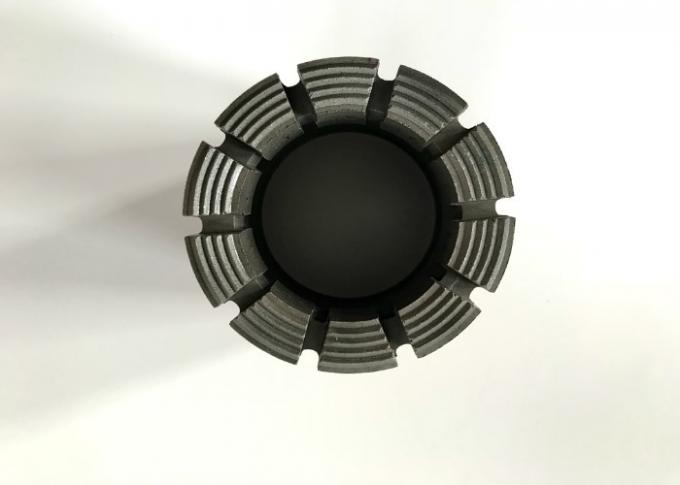
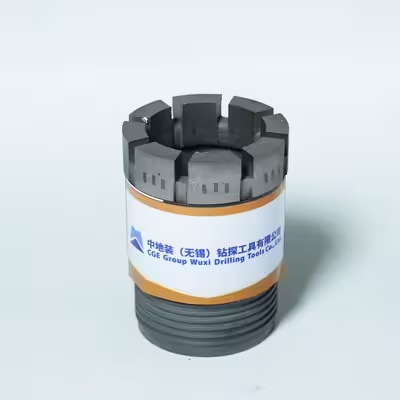
Impregnoituja timanttiytimisporanteriä koville, kuluttaville kalliolajeille kuten graniitille ja basaltille
Impraagoidut timanttisydänporakärjet toimivat upottamalla pieniä timanttipartikkeleita metallimatriisiin, joka on sinteröity yhteen. Kun ulomman kerroksen kulumisen alkaa porauksen aikana, uusia timantteja paljastuu, mikä pitää porakärjen suorituskyvyn tasaisena myös kovien materiaalien, kuten graniitin (Mohsin kovuusasteikolla noin 6–7) tai tiukkujen basalttikivien, käsittelyssä. Tämä erityinen suunnittelu erottaa itsensä erityisesti kvartsipitoisuuden korkeissa alueissa (Cerchar-asteikolla yli 0,8), joissa perinteiset pinnalle kiinnitetyt porakärjet menettävät timantinsa nopeasti näiden kivien abraasiivisen luonteen vuoksi. Käytännön testit osoittavat, että impraagoidut porakärjet kestävät noin 35 prosenttia pidempään kuin tavalliset vaihtoehdot silikaattipitoisten muodostumien käsittelyssä, samalla kun ne edelleen saavuttavat yli 90 prosenttia ydinnäytteestä. Myös pesupaineen säätäminen tarkalleen on erinomaisen tärkeää, sillä virheellinen paine voi aiheuttaa ajan mittaan matriisin kiiltymistä ja lämpötilan nousua pitkien porausistuntojen aikana.
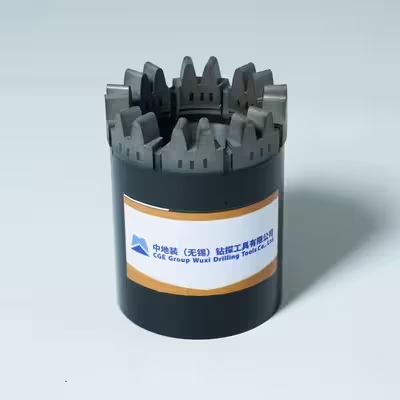
Pinnallisesti asennetut timanttiytimen porakärjet pehmeistä keskimittaisiin, halkeiliin kallioihin, kuten savi- ja säätöön joutuneeseen hiekkakiveen
Timanttisydämenpäätyt, joiden pinnalla on erilliset timanttipalat, ovat suunniteltu siten, että suuremmat timantit on kiinnitetty yksittäin suoraan porakärjen etupintaan. Nämä toimivat parhaiten pehmeiden materiaalien tai epävakaisten muodostumien leikkaamisessa. Näiden kärkien muoto mahdollistaa kiven leikkaamisen siinä tapauksessa, että kivi ei kestä painetta hyvin, kuten esimerkiksi savi- tai vanhaa hiekkakiveä, joka on kulunut ajan myötä (lujuus noin 20–80 MPa). Ongelmia syntyy tässä yhteydessä, koska sydänputki jää joskus paikoilleen ja näytteet vahingoittuvat otettaessa. Kun näitä kärkiä käytetään yhdessä värinän vähentävien porakoneiden kanssa, voidaan odottaa noin 92 %:n sydämenottoprosenttia myös erityisen hauraiden kivilajien kerroksissa. On kuitenkin mainittava yksi huomioitava seikka: koska timantit ovat niin paljaina, ne irtoavat helposti porattaessa kvartsi-rikastettuja alueita tai erityisen karkeita pintoja. Tämän vuoksi nämä tietynlaiset kärjet eivät sovellu hyvin paikkoihin, joissa kitka aiheuttaa ongelmia.
PDC- ja sähkökromatut porakärjet: erikoiskäytöt erityisen pehmeissä tai hyvin vaihtelevissa muodostumissa
Tietyissä kallio- tai maaperämuodoissa, jotka eivät ole yhtenäisiä tai joissa on sekalaista geologista kerrostumaa, PDC-kärjet (polycrystalline diamond compact) ja sähkökromatoidut kärjet täyttävät kumpikin omia erityisiä tehtäviään. PDC-kärjissä on syntetisiä timantti-teriä, jotka leikkaavat materiaaleja, kuten savea, hienojakoista lietteä ja pehmeää hiiltä, huomattavasti nopeammin kuin tavallisilla timanttikärjillä – noin kolme–viisi kertaa nopeammin riippuen olosuhteista. Kun joudutaan poraamaan testiporauksia vaihtelevaan maaperään, kuten alluviaalisisäkköihin tai alueisiin, joissa esiintyy erilaisia hiilikerroksia, sähkökromatoidut kärjet ovat järkevä valinta. Näihin kärkiin lisätään valmistusprosessissa erinomainen ohut timanttikeraaminen pinnoite. Niitä ei kuitenkaan kannata käyttää kovien kalliolajien, kuten graniitin, poraamiseen tai pitkäkestoisessa porauksessa erittäin kovia ja kuluttavia materiaaleja, koska timantit kuluvat nopeasti: niiden altistunut pinta-ala on hyvin pieni. Lyhyemmissä työtehtävissä, joissa kärkien vaihto on sallittua usein, nämä sähkökromatoidut kärjet toimivat kuitenkin hyvin sekä kustannus- että toiminnalliselta kannalta.
Matrix Bond Engineering: timattien altistumisen, itseteroituvuuden ja lämmönkestävyyden sovittaminen muodostusvaatimuksiin
Pehmeät vs. kovat sidosmatriisit: timattien altistumisen ja kulumisen etenemisen säätö
Timanttityökalut perustuvat voimakkaasti sidosmatriisiinsa, joka ohjaa sitä, kuinka paljon arvokkaita timantteja on näkyvissä leikkausoperaation aikana. Kun puhutaan pehmeistä sidoksista, ne kuluavat nopeammin, mikä tarkoittaa, että uusia timantteja paljastuu jatkuvasti. Tämä toimii erinomaisesti koville materiaaleille, kuten graniitille, jossa työkalu itseasiassa teroitettuu käytön aikana. Toisaalta kovemmat sidokset eivät kulua yhtä helposti, kun työskennellään pehmeämpien kivenlajien, kuten kvartsi-rikkaan hiekkakiven, kanssa. Vaikka tämä pitää enemmän timantteja kiinni työkalussa pidempään, siinä on kuitenkin yksi ongelma: jos sidos on liian kova verrattuna leikattavaan materiaaliin, pinta voi kiilloutua sen sijaan, että se leikkaisi asianmukaisesti. Hyvien tulosten saavuttaminen riippuu todella siitä, että valitaan oikeanlainen matriisityyppi tehtävään. Koville, ei-karkeille kivilajeille soveltuvat pehmeämmät matriisit. Niille haastaville karkeille muodostumille taas kovemmat matriisit ovat järkevämpi vaihtoehto. Työkalujen valmistajat käyttävät paljon aikaa näiden ominaisuuksien säätämiseen muuttamalla tuotannossa käytettyjen metallien seosta. Pienet erot kuparin, tinan ja nikkelin pitoisuuksissa voivat tehdä kaiken eron työkalun välillä, joka suoriutuu hyvin tehtävästään, ja työkalun välillä, joka kuluisi liian nopeasti.
Koboltti-, pronssi- ja rautapohjaiset seokset: lämmönjohtavuuden, kulutusvastuksen ja kustannusten tasapainottaminen
Seoksen valinnalla on merkittävä vaikutus siihen, kuinka hyvin laitteisto kestää lämpöä, vastustaa kulumista ja vaikuttaa kokonaishankkeen kustannuksiin. Kobolttipohjaiset materiaalit erottautuvat siitä syystä, että ne johtavat lämpöä paremmin kuin pronssi tai rauta noin 15–20 prosenttia. Tämä tekee niistä erinomaisia lämpöä poistamaan korkean nopeuden aikana tai syvien ytimien poraamisessa. Parempi lämmönpoisto auttaa estämään timanttien muuttumisen grafiitiksi, kun työskennellään vaikeiden kivien, kuten basaltin tai tiukkien graniittimuodostumien, kanssa. Pronssiseokset tarjoavat hyvän tasapainon eroosion vastustamisessa ja kohtalaisen lämpötilan hallinnassa, ja niiden hinta on myös alhaisempi. Niitä voidaan käyttää riittävän tehokkaasti keskimittaisen kovuuden muodostumissa, kuten hiekkakivessä tai savikivessä, ilman, että kustannukset nousevat liian korkeiksi. Rautapohjaiset vaihtoehdot tarjoavat vahvimmat mekaaniset ominaisuudet ja säästävät noin 30–40 prosenttia kobolttivaihtoehtoihin verrattuna. Kuitenkin niitä vaaditaan runsaasti jäähdytysnestettä niiden läpi ja niitä tulisi käyttää parhaiten hitaammilla nopeuksilla pidemmissä porausistunnoissa, jotta lämpötila pysyy hallinnassa.
| Lekkisyys | Lämpöjohtokyky | Kulumisvastus | Kustannustehokkuus | Ideaalinen muodostuma |
|---|---|---|---|---|
| Kobolti | Erinomainen | Korkea | Alhainen | Basaltti, syvä graniitti |
| Pronssi | Kohtalainen | Keskikoko | Keskikoko | Hiekkakivi, savikivi |
| Rauta | Alhainen | Erittäin korkea | Korkea | Ei-kulumallinen savikivi |
Usein kysytyt kysymykset
Mihin Mohsin kovuusasteikkoa käytetään kallioiden porauksessa?
Mohsin kovuusasteikkoa käytetään kalliomuodostumien kovuuden mittaamiseen, mikä auttaa poraajia valitsemaan tehokkaaseen poraukseen sopivat timanttiporakärjet ja niiden sidosaineet.
Miten kallion kulumallisuus vaikuttaa porausoperaatioihin?
Kallion kulumallisuus, jota usein mitataan Cerchar-indeksillä, vaikuttaa timanttipartikkelit pitävän matriisin kulumiseen, mikä johtaa timanttiporakärkien aikaisempaan paljastumiseen ja kulumiseen.
Miksi erilaisia timanttiporakärkiä suositellaan eri kalliotyypeille?
Eri timanttisydänporanterät, kuten impregnoitut tai pinnallisesti asennetut terät, valitaan kiven kovuuden ja rakenteen perusteella, koska ne vaikuttavat kulumisnopeuteen ja ytimenottolaatukseen.
Mikä on seosten rooli timanttiterien suorituskyvyssä?
Seokset, kuten koboltti, pronssi ja rauta, vaikuttavat timanttiterien lämmönjohtavuuteen ja kulutusvastukseen, mikä mahdollistaa suorituskyvyn ja kustannustehokkuuden tasapainottamisen eri porausolosuhteissa.
Sisällysluettelo
- Kalliolajien ominaisuuksien ymmärtäminen: kovuus, kuluttavuus ja rakenne
-
Timanttiytimisporanterien tyypit ja niiden optimaaliset kalliolajien sovellukset
- Impregnoituja timanttiytimisporanteriä koville, kuluttaville kalliolajeille kuten graniitille ja basaltille
- Pinnallisesti asennetut timanttiytimen porakärjet pehmeistä keskimittaisiin, halkeiliin kallioihin, kuten savi- ja säätöön joutuneeseen hiekkakiveen
- PDC- ja sähkökromatut porakärjet: erikoiskäytöt erityisen pehmeissä tai hyvin vaihtelevissa muodostumissa
- Matrix Bond Engineering: timattien altistumisen, itseteroituvuuden ja lämmönkestävyyden sovittaminen muodostusvaatimuksiin
- Usein kysytyt kysymykset