
 EN
EN
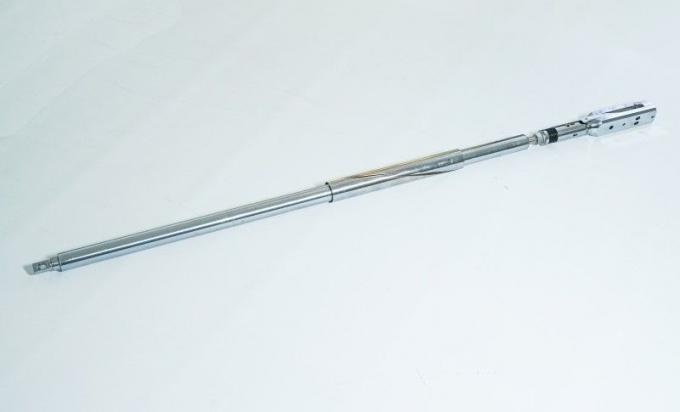
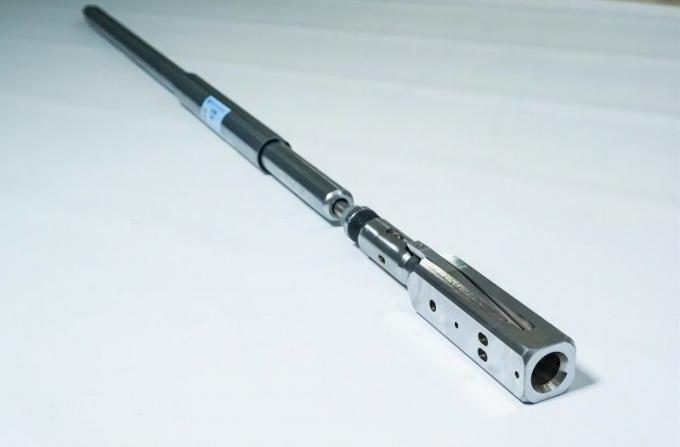
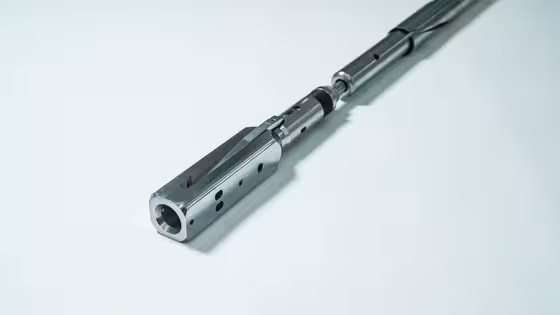
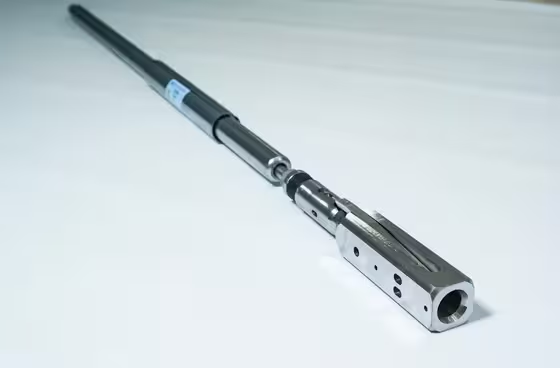
Lukitusmekanismien viat ja luotettavat kiinnitysstrategiat
V-lukituksen ja L-lukituksen vetäytyminen korkeapaineisissa poraustunnelmissa
Kun kairausreikäpaineet nousevat yli 4 500 psi:n, ne painavat muodostumia kaikkien suuntien suunnasta kohti langallisia ytimenottoputkia, mikä aiheuttaa kitkavoimia, jotka estävät tavallisten lukkojen liikkumisen takaisin ulos. Tämäntyyppinen kitkajumi tapahtuu itse asiassa melko usein – tietojemme mukaan se oli vastuussa lähes neljästä kymmenestä varhaisesta työkalun nostosta kyseisissä syvissä kuparikaivoksissa viime vuonna. Tietokonemallit kertovat, että lukkojen käsivarret kokevat noin 12-kertaisen normaalista rasituksen näillä puristustapahtumilla, mikä kuluttaa niiden kartiomainen kosketusalueita huomattavasti nopeammin kuin odotettiin. Suuret valmistajat ovat alkaneet lisätä erityisiä kovannettuja seoslisäyksiä, joiden muodonmuutos on alle 1 %, sekä näitä älykkäitä painetasaustuuria, jotka auttavat jakamaan kalliopaineen tasaisemmin. Olemme nähneet kenttätestit toimivan erinomaisesti myös, erityisesti Kanadan kilven alueella, jossa työkalut on saatu nostettua onnistuneesti noin 97 kertaa sadasta, vaikka syvyys on yli 2 000 metriä ja kallio on puristunut yhteen 70 MPa:n paineella.
Kevätlukon tarttuminen mutasaa epäpuhtaudesta ja korroosiosta: kenttätutkimustuloksia 127 poraustyöstä (2022–2023)
Tarkasteltaessa porauspäiväkirjoja yli 127:ltä mineraalitutkimuskohteelta vuosina 2022–2023 havaitaan, että bentoniitipohjaiset porataulut pääsevät usein lukitusaukkoihin ja sekoittuvat rikkipyriittiä rikastuneisiin poraustekuviin, mikä johtaa happamaksi liuokseksi, joka syö kierrejousimekanismeja. Erityisesti litiumsuolaliuospohjaisten hankkeiden kohdalla, joissa kloridipitoisuudet ovat keskimäärin noin 80 000 ppm, tämä ongelma aiheutti noin 72 % kaikista rekisteröidyistä kierrejousilukituksen vioista. Seuraavaksi tapahtuu melko vakavia asioita: korroosio kertyy nopeasti ja täyttää nuo pienet 0,3–0,5 mm:n välykset jo 15 tunnin poraamisen aikana, mikä käytännössä lukitsee laukaisumekanismin. Tämän ongelman torjumiseksi teollisuus on saavuttanut menestystä kaksinkertaisten pyyhkäisinsulkujen käytöllä, jotka estävät lähes kaiken hiukkasmateriaalin pääsyn sisään (noin 99,6 %) sekä nikkeli-kobolttielektroplatemalla, joka kestää yli 10 000 tuntia jopa erittäin happamissa olosuhteissa (pH 3,5). Argentiinassa sijaitsevat hopeantuottajat saavuttivat lähes puolet lyhyemmän käyttökatkonaikaan, kun he aloittivat ulträäni-puhdistuksen työkalujen vaihdossa.
Sisä- ja ulkoputken välisten liitosten hajoaminen ja ytimen lukkiutumisen estäminen
Sisä- ja ulkoputkien välisten liitosten viat kuuluvat langallisen ytimenottojärjestelmän suurimpiin häiriöihin. tynnyri epäsuuntautuminen vähentää ytimenottoprosentin 15–40 %:lla kovakivimuodoissa, kuten vuosina 2022–2023 tehdyn kenttätutkimuksen tulokset osoittavat.
Laskupäiden epäsuuntautuminen ja tiivistyksen eheysmenetys: vaikutus ytimenottoprosenttiin
Kun laskeutumisliitokset poikkeavat yli puolen millimetrin, se vaikuttaa merkittävästi tiivistyksen eheyyteen, mikä mahdollistaa porausnesteiden pääsyn sisään ja lopulta aiheuttaa ytimien lukkiutumisen. Näihin ongelmiin on kaksi pääsyytä. Ensinnäkin laitteiston liikuttamisesta vaikeissa poikkeavissa poraustunnelmissa aiheutuva iskuvaurio. Toiseksi lämpömuodonmuutoksesta johtuvat ongelmat erityisen kuumissa maalämmön porauksissa, joissa lämpötilat nousevat yli 150 asteen Celsius-asteikolla. Kenttätietojen analyysi, joka perustuu 127 eri toimenpiteen kerättyihin tietoihin, antaa selkeän viestin: jos epäsuuntaisuus on noin 0,75 mm, niin otantaprosentti laskee merkittävästi, erityisesti kvartsiittimuodostumissa noin 32 prosenttia. Tämän ongelman ratkaisemiseksi useimmat käyttäjät turvautuvat laserin avulla tasattuihin koneistustekniikoihin yhdistettynä istumapintojen vahvistamiseen volframikarbidi-materiaaleilla. Vaikka nämä ratkaisut ovat tehokkaita, niiden toteuttaminen kenttäolosuhteissa voi olla melko haastavaa laitteiston rajoitusten ja toiminnallisten esteiden vuoksi.
Sisäputken liukuminen ja lukittuminen murtuneessa kallioperässä — maolosuhteisiin erityisesti sopeutettu lieventämiskehyksessä
Aksiaalinen liukuminen, joka ylittää 1,2 mm:n, aiheuttaa putken värähtelyä ja käynnistää lukittumisen murtuneissa vyöhykkeissä. Riski kasvaa merkittävästi rikkoutumavyyhdyssä (78 % korkeampi lukittumisen esiintyvyys) ja karstisoituneessa kalkkikivessä (kolme kertaa enemmän ytimen tukoksia verrattuna ehjään kallioperään). Portaittainen toimintakehyksessä saavutetaan mitattavia tuloksia:
- Vähäinen murtumatiukkuus : Jousitetut vakauttimet
-
Korkea murtumatiukkuus : Hydraulinen painetasoitusliukuputki
Toteuttamalla ytimen jumiutuminen vähentyi 67 %:lla brasilialaisissa rautamalmioperaatioissa (2023).
Sulkuventtiilin ja ytimen täyttyneisyysilmaisimen luotettavuus
Painerajan poikkeama kovien ja pehmeiden sulkuventtiilien välillä: väärien ytimen täyttyneisyys signaalien diagnosoiminen
Painekynnysten poikkeaminen pysyy edelleen pääasiallisena syynä vääriin ytimen täyttymisilmoituksiin. Kovat venttiilit kokevat hitaita kalibrointisiirtoja jatkuvan värähtelyn vaikutuksesta; pehmeät venttiilit kokevat nopeutunutta poikkeamista elastomeerien rappeutumisen vuoksi kuluttavissa olosuhteissa. Vain 0,3 MPa:n poikkeama korrelotuu 22 %:n ytimen palautusmenetykseen murtuneissa muodostumissa. Diagnostinen erottelu on välttämätöntä:
- Kovien venttiilien viat ilmetään vääntömomentin vaihteluna, joka ylittää ±15 %:n perustason
- Pehmeiden venttiilien viat näkyvät lämpötilariippuisena hystereesinä painevaste-käyrissä
Neljännesvuosittainen kalibrointi maanalaisilla simulointikammioilla – jotka toistavat muodostumakohtaisia takapaineita – on ratkaisevan tärkeää. Toimintajan ajan reaaliaikainen seuranta tarjoaa varhaisvaroituksen: järjestelmät, joiden toimintaaika ylittää 1,2 sekuntia, tuottavat johdonmukaisesti vääriä positiivisia tuloksia. Korkealämpötilaisissa öljy- ja kaasukentissä kaksinkertainen anturiredundanssi vähentää väärien signaalien määrää 47 %:lla verrattuna yksiventtiilijärjestelmiin.
Todistetut, kenttätestatut ratkaisut langallisten ytimenottoputkien kestävyyteen
Poikkipuun integrointi ja kaksiputkiset konfiguraatiot jumittuneen ytimen nostamiseen
Poikkipuun yhdistäminen kaksiputkijärjestelmiin vähentää huomattavasti ytimen jumiutumisia murtuneissa kallioformaatioissa. Tämän hyvän toiminnan taustalla on se, että sisäputki ei vaadi pyörimistä toimiakseen, mikä auttaa säilyttämään ytimen ehjänä sen noustessa maasta. Lisäksi tungstenkarbidista valmistetut leikkurit hajottavat tehokkaasti kaiken tielle tulevan. Viime vuonna suoritetuissa testeissä ultramafisissa formaatioissa havaittiin noin kolmanneksen vähemmän jumiutumisia verrattuna aiempiin tuloksiin. Mielenkiintoisesti riittävän tarkka nestepaineen säätö mahdollisti lähes kaikkien tavoiteltujen ytimien nostamisen, jolloin nostoprosentin saatiin noin 95 prosenttiin. Tällainen suorituskyky tekee suuren eron käytännön porausoperaatioissa.
Reaaliaikainen vääntömomentin seuranta ja laskeutusrenkaan vakautustekniikat
Torquenanturit maahan porattaessa auttavat vakauttamaan niitä laskeutumarenkaita, kun porausoperaatioiden aikana tilanne muuttuu erityisen epävakaaksi. Niiden välittämä heti saatavilla oleva tieto mahdollistaa porauspään painon säätämisen juuri sopivaan aikaan, mikä estää suuntausvirheiden syntymisen. Viime vuonna julkaistun Drilling Mechanics -lehdessä julkaistun tutkimuksen mukaan tämä menetelmä estää noin 85 %:n verran niistä varhaisista sisäputken vetämisistä, joita aiheuttavat epävakaat renkaat. Älkäämme myöskään unohtako vakautusletkujakaan. Ne toimivat erinomaisesti häiritsevien harmonisten värähtelyjen lievittämisessä. Kenttätestit osoittavat, että laitteiston käyttöikä on noin 200 tuntia pidempi kovissa ja hiekallisissa maolosuhteissa, joissa normaali kulumisprosessi yleensä alkaa paljon aikaisemmin.
UKK-osio
Mitä aiheuttaa lukitusmekanismien vioittumisen korkeapaineisissa poraussyvyyksissä?
Korkeat maahan porattaessa vaikutuvat paineet työntävät kalliorakenteita vasten langallisia ytimenottoputkia, mikä aiheuttaa kiinnitysvoimia, jotka estävät standardilukkojen vetäytymisen ja johtavat lisääntyneeseen kulumiseen sekä kitkajumiin.
Miten mutaepäpuhtaudet vaikuttavat jousilukkomekanismeihin?
Bentoniitipohjainen muta yhdistettynä pyriittirikkaisiin porausjätteisiin muodostaa happaman liuoksen, joka syövyttää jousimekanismeja ja johtaa niiden pettämiseen.
Mitkä ovat pääongelmat sisä- ja ulkoputken rajapinnan epäonnistumisissa?
Laskupäiden vinoutuminen ja rajapinnan epäonnistuminen voivat johtaa porausnesteiden tunkeutumiseen, lukkiutumiseen ja ytimenottoprosentin merkittävään laskuun.
Miten sulkuventtiilin paineportaan siirtymää voidaan diagnosoida?
Sulkuventtiilin paineportaan siirtymää voidaan diagnosoida seuraamalla vääntömomentin vaihteluita kovissa venttiileissä ja lämpötilariippuvaista hystereesiä pehmeissä venttiileissä.
Mitkä menetelmät auttavat vähentämään ytimen lukkiutumista halkeilluissa kallioalueissa?
Ristiinleikkaavan leikkuutyökalun integroiminen kaksiputkijärjestelmiin sekä nestepaine-asetusten säätäminen voivat huomattavasti vähentää ytimen lukkiutumista.
Sisällysluettelo
- Lukitusmekanismien viat ja luotettavat kiinnitysstrategiat
- Sisä- ja ulkoputken välisten liitosten hajoaminen ja ytimen lukkiutumisen estäminen
- Sulkuventtiilin ja ytimen täyttyneisyysilmaisimen luotettavuus
- Todistetut, kenttätestatut ratkaisut langallisten ytimenottoputkien kestävyyteen
-
UKK-osio
- Mitä aiheuttaa lukitusmekanismien vioittumisen korkeapaineisissa poraussyvyyksissä?
- Miten mutaepäpuhtaudet vaikuttavat jousilukkomekanismeihin?
- Mitkä ovat pääongelmat sisä- ja ulkoputken rajapinnan epäonnistumisissa?
- Miten sulkuventtiilin paineportaan siirtymää voidaan diagnosoida?
- Mitkä menetelmät auttavat vähentämään ytimen lukkiutumista halkeilluissa kallioalueissa?