
 EN
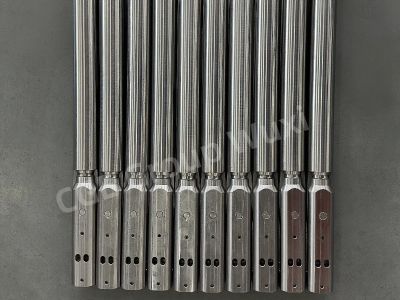
Understanding how core drill rod dimensions affect drilling performance is crucial for B2B buyers in the manufacturing and geological sectors. The specifications of drill rods can significantly influence operational efficiency, safety, and the overall success of drilling projects. This article addresses key concerns that purchasing managers and engineers may have regarding material selection, quality control, and cost factors, while providing actionable insights to help make informed decisions.
Choosing the Right Core Drill Rod Dimensions for Your Project
Selecting the appropriate core drill rod dimensions is a foundational step that can directly impact drilling performance. Core drill rods come in various diameters and lengths, typically ranging from 25mm to 150mm in diameter, with lengths varying according to project needs. The diameter affects the volume of material that can be extracted and the stability of the hole being drilled. Larger diameters can increase drilling efficiency but may require more powerful equipment and higher torque. Conversely, smaller diameters may be suitable for detailed geological studies but could limit core recovery rates. Length is another critical dimension; longer rods are advantageous for deep Wireline Drill Rod as they reduce the number of connections needed, minimizing the risk of joint failure. However, they also increase the weight and handling complexity. Buyers should assess project requirements, such as the depth of drilling and the geological conditions, to determine the optimal dimensions that will enhance performance while ensuring safety and cost-effectiveness.
Understanding Quality Control in Core Drill Rod Manufacturing
Quality control in the manufacturing of core drill rods is essential to ensure performance and reliability. At CGE Group Wuxi Drill Tools Co., Ltd., rigorous quality assurance processes are in place, including material inspections and dimensional checks throughout the production cycle.
Each drill rod undergoes testing to verify its tensile strength, resistance to wear, and overall durability. The use of certified materials, combined with advanced manufacturing technologies, helps maintain consistency and performance in the final product. Buyers should inquire about the manufacturer’s quality control certifications and processes to ensure that the Drill Bit rods meet industry standards. A detailed understanding of the quality assurance steps taken during production can provide confidence in the product's reliability and longevity.
Evaluating Cost Factors for Core Drill Rod Purchases
When evaluating the cost of core drill rods, several factors come into play. The primary considerations include material choice, dimensions, and manufacturing processes. High-grade materials such as alloy steel or tungsten carbide can lead to higher initial costs but often yield better performance and longer service life, resulting in lower total operational costs. Additionally, buyers should consider the impact of dimensions on pricing. Custom dimensions may incur additional charges, whereas standard sizes typically allow for more competitive pricing due to economies of scale in production. It's also essential to factor in shipping and handling costs, especially for bulk orders, which can influence the overall budget. By understanding these cost components, buyers can make informed decisions that align with their financial constraints while ensuring they obtain the necessary quality and performance.
Key Considerations
In addition to dimensions, quality control, and cost, several other factors should be considered when purchasing core drill rods. These include:
Customization Needs: Determine if your project requires specific customizations in terms of coatings or additional features that may enhance performance in specific geological conditions.
Environmental Factors: Consider the operating environment, such as temperature variations and chemical exposure, which may dictate the choice of materials and surface treatments.
Supplier Reputation: Research potential suppliers thoroughly. Look for companies with a proven track record and experience in manufacturing high-quality drilling tools.
Lead Times: Be aware of production lead times, especially if you have tight deadlines. Understanding a supplier’s capacity and average turnaround times can help in planning your project timeline effectively.
Common Problems with Core Drill Rods and Effective Solutions
Despite the advancements in manufacturing, common problems can arise with core drill rods that buyers should be aware of. One frequent issue is rod breakage, which can occur due to improper handling or exceeding the operational limits of the equipment. To mitigate this risk, ensure that all personnel are trained in handling and operating the drilling equipment correctly. Additionally, monitoring the drilling parameters, such as torque and feed rate, can help prevent undue stress on the rods. Another common problem is corrosion, particularly in environments with high moisture or chemical exposure. Selecting the appropriate material and surface treatment, such as galvanizing or coating, can enhance resistance to environmental factors. Regular inspections and maintenance are also vital. Buyers should establish a routine to check the condition of the Drilling Rig rods, looking for any signs of wear or damage, and to replace them as necessary to maintain drilling efficiency. By understanding these potential challenges and implementing proactive solutions, buyers can optimize their drilling operations and ensure better results in their projects.