
 EN
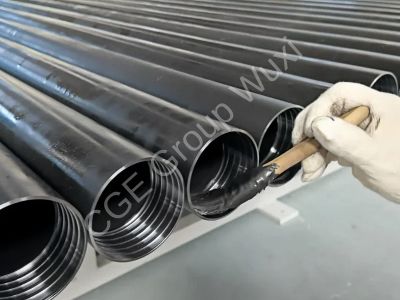
Thin wall drill pipes are essential components in core drilling systems, specifically designed to optimize performance in geological exploration, mineral extraction, and other industrial applications. This article provides insights into how thin wall drill pipe is used in core drilling systems, addressing the key concerns of purchasing managers and engineers, such as selection criteria, quality evaluation, cost implications, and practical applications. By understanding these factors, buyers can make informed decisions that enhance operational efficiency and productivity.
Choosing the Right Thin Wall Drill Pipe for Your Project
Selecting the appropriate thin wall drill pipe hinges on several factors, including the specific requirements of your drilling project, the geological conditions, and the desired outcomes. Key considerations include the pipe's diameter, wall thickness, and the material used in its construction. For instance, a larger diameter pipe may offer higher flow rates, essential for projects that require rapid drilling speeds. Conversely, thinner walls can reduce weight, which is particularly beneficial for portable drilling rigs and environments with limited load-bearing capabilities. It’s also important to consider compatibility with existing drilling equipment and the specific drilling method employed, whether it be rotary or percussion geological core drilling tools. Additionally, customization options may be available to meet unique project requirements. Discussing your project specifics with a reputable supplier, such as CGE Group Wuxi Drill Tools Co., Ltd., can help identify the ideal pipe configuration to maximize performance and minimize operational disruptions.
Specifications to Consider When Selecting Thin Wall Drill Pipe
When selecting a thin wall drill pipe, certain specifications play a crucial role in determining its performance and suitability for your application. These include:
Material Composition: Common materials include carbon steel and alloy steel, each offering distinct advantages regarding strength, weight, and corrosion resistance. Buyers should assess the environmental conditions the pipe will face, as exposure to chemicals or extreme temperatures may necessitate specialized materials.
Wall Thickness: The wall thickness directly influences the pipe's strength and integrity under pressure. Thicker walls provide enhanced durability but may add weight. A balance must be struck between strength and weight based on the drilling tools manufacturer technique and geological conditions expected.
Length and Diameter: The length and diameter of the pipe should align with the depth of the drilling project and the required borehole size. These parameters directly affect the drilling efficiency and the ease of handling during installation.
Performance Ratings: Evaluating the pipe’s performance ratings, such as tensile and yield strength, is essential to ensure it can withstand operational stresses without failure.
These specifications must be matched with the specific demands of your project to avoid complications during the drilling process.
Evaluating the Quality of Thin Wall Drill Pipe for Core Drilling
Quality assurance is paramount when sourcing thin wall drill pipe for core drilling applications. A thorough evaluation process should include:
Manufacturing Standards: Ensure that the manufacturer adheres to recognized industry standards, such as ISO certifications. This guarantees that the pipes are produced under strict quality control processes.
Material Testing: Request documentation on material testing, including tensile strength and corrosion resistance tests. This information provides insight into the pipe's durability and suitability for your specific application.
Visual Inspection: Conduct visual inspections for any signs of defects, such as weld quality and surface finish. A smooth, even surface is crucial for preventing issues during the diamond drill bits process.
Sample Approval: Before committing to a large order, it is advisable to approve a sample. Testing the sample under actual operating conditions can reveal potential issues that may not be apparent during initial inspections.
By rigorously evaluating these quality aspects, buyers can significantly reduce the risk of operational failures and costly downtime.
Cost Factors When Purchasing Thin Wall Drill Pipe Wholesale
Cost considerations play a significant role in any procurement decision. When purchasing thin wall drill pipe wholesale, several factors can influence pricing:
Material Costs: The choice of material directly impacts the overall cost. Higher-grade materials may increase upfront costs but can lead to long-term savings through reduced maintenance and increased longevity.
Order Quantities: Bulk purchases typically offer cost savings. Understanding the minimum order quantities (MOQ) and leveraging them can help you negotiate better pricing.
Customization: Custom features, such as specific dimensions or coatings, may incur additional charges. Buyers should weigh the benefits of customization against potential cost increases.
Shipping and Handling: Consider the logistics involved in transporting the pipes to your location. Shipping costs can vary significantly based on distance and delivery speed requirements.
Supplier Relationships: Establishing a long-term relationship with a reliable supplier can lead to better pricing and terms over time. It’s beneficial to communicate your needs and explore options for discounts based on your purchasing history.
Understanding these cost factors can help buyers develop a more accurate budget and avoid unexpected expenses.
Applications of Thin Wall Drill Pipe in Core Drilling Systems
Thin wall drill pipes are versatile components widely used in various core drilling applications, including:
Geological Exploration: These pipes are essential for collecting geological samples, allowing for detailed analysis of subsurface conditions. Their lightweight design facilitates mobility and efficiency in exploratory drilling.
Mineral Extraction: In mining operations, thin wall drill pipes enable precise drilling, which is critical for maximizing yield while minimizing environmental impact.
Water Well Drilling: The use of thin wall drill pipes in water well drilling ensures that water sources are accessed efficiently, providing necessary resources for agriculture and communities.
Environmental Monitoring: Core drilling systems with thin wall drill pipes are employed in environmental governance to assess soil and water quality, ensuring compliance with regulations.
By understanding the applications of thin wall drill pipes, buyers can better appreciate their importance in operational effectiveness and environmental stewardship in various industries. In summary, thin wall drill pipes are integral to the success of core drilling systems, and choosing the right pipe involves careful consideration of specifications, quality, cost, and application. By leveraging these insights, purchasing managers and engineers can make informed decisions that enhance their drilling operations.
Table of Contents
- Choosing the Right Thin Wall Drill Pipe for Your Project
- Specifications to Consider When Selecting Thin Wall Drill Pipe
- Evaluating the Quality of Thin Wall Drill Pipe for Core Drilling
- Cost Factors When Purchasing Thin Wall Drill Pipe Wholesale
- Applications of Thin Wall Drill Pipe in Core Drilling Systems