
 EN
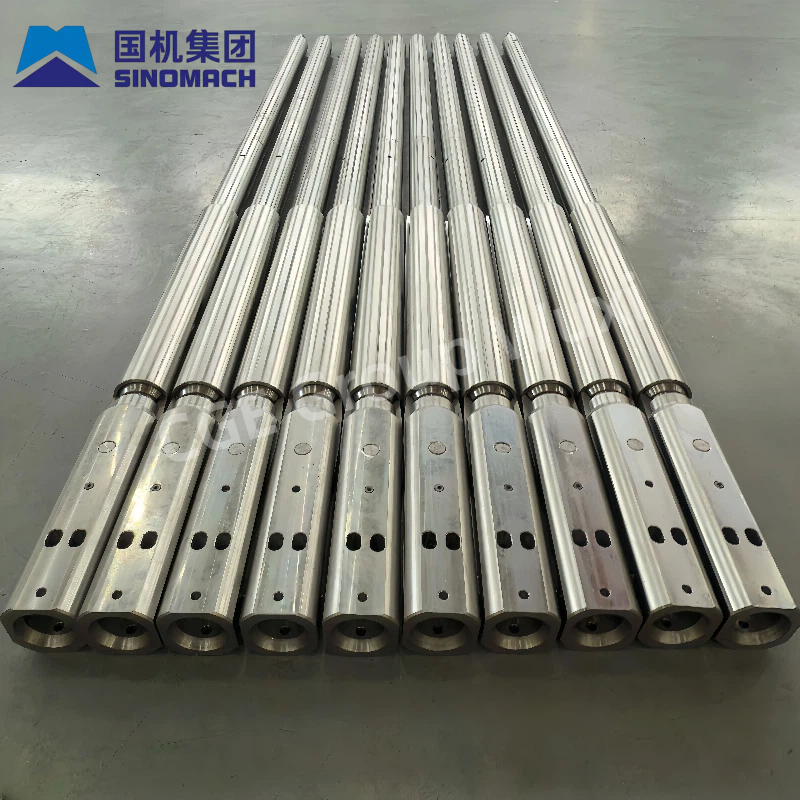
Selecting the right drill rods is critical for ensuring efficiency and precision in core drilling operations. In the context of professional core drilling equipment, the choice between NQ, HQ, and PQ drill rods can significantly impact project outcomes. This article will delve into the specifications, applications, and essential factors to consider when sourcing these drill rods, helping B2B buyers, including purchasing managers and engineers, make informed decisions.
How to Compare NQ, HQ, and PQ Drill Rods for Core Drilling Needs
When evaluating NQ, HQ, and PQ wireline drill rod, buyers should consider several key performance and application factors. Each type differs primarily in diameter and length, influencing their suitability for various drilling conditions.
NQ Drill Rods: With a nominal diameter of 47.6 mm, NQ rods are ideal for intermediate-depth core drilling applications. They balance strength and weight, making them suitable for geological exploration and mineral analysis.
HQ Drill Rods: Slightly larger at 63.5 mm in diameter, HQ rods provide a greater core recovery and are often used in mineral exploration and geotechnical investigations. Their larger size allows for improved sample collection, particularly in challenging geological formations.
PQ Drill Rods: The largest of the three, PQ rods have a diameter of 85 mm. These rods are designed for deeper drilling projects, where stability and core recovery are paramount. They are commonly employed in large-scale mining operations and environmental studies.
Understanding the specific application and drilling depth can guide buyers in selecting the appropriate rod type to meet their project requirements.
Key Specifications of NQ, HQ, and PQ Drill Rods for Buyers
When sourcing drill rods, certain specifications play a critical role in performance and compatibility with drilling equipment. Key specifications to consider include:
Material Composition: Most drill rods are made from high-strength steel to withstand the rigors of drilling. The choice of material affects durability and resistance to wear and tear.
Wall Thickness: The wall thickness of the rods impacts their strength and ability to handle high-pressure environments. Thicker walls generally offer better durability but may add weight.
Length Variations: Drill rods typically come in standard lengths, commonly around 3 meters or 6 meters. Buyers should choose lengths based on the drilling depth and equipment compatibility.
Thread Type: Different rods come with specific thread types for connection. Ensuring compatibility with existing drilling equipment is crucial for operational efficiency.
Buyers should carefully analyze these specifications against their operational requirements to ensure they select the most suitable drill rods.
Cost Factors to Consider When Sourcing Drill Rods in Bulk
Cost considerations are vital for any B2B buyer looking to source drill rods in bulk. Several factors influence pricing:
Material Costs: Fluctuations in raw material prices can significantly impact the overall cost of drill rods. Buyers should stay informed about market trends.
Manufacturing Processes: The complexity of the manufacturing process affects pricing. High-quality geological core drilling tools may undergo advanced treatments, such as heat treatment, to enhance performance, potentially increasing costs.
Order Quantity: Bulk orders often come with discounts, but buyers should also consider minimum order quantities (MOQ) set by manufacturers. Understanding MOQ can help in negotiating better pricing.
Shipping and Handling: Costs associated with transportation, packaging, and handling can add up. Buyers should factor in logistics when calculating total expenses.
By considering these cost factors, buyers can better manage their budgets and negotiate favorable terms with suppliers.
Common Problems with Drill Rods and Effective Solutions
Understanding potential issues with drill rods can help buyers prevent costly delays and project interruptions. Common problems include:
Wear and Tear: Drill rods experience significant stress during operations, leading to wear. Regular inspection and maintenance are crucial to identifying signs of fatigue early.
Corrosion: Exposure to moisture and chemicals can lead to corrosion. Using drill rods with protective coatings or selecting materials with higher corrosion resistance can mitigate this risk.
Connection Failures: Incompatible threads or improper connections can lead to failures during drilling. Ensuring that all rods are compatible and that connections are properly tightened is essential.
To address these issues effectively, buyers should establish a routine maintenance schedule and work closely with suppliers to ensure they receive high-quality products.
Applications of NQ, HQ, and PQ Drill Rods in Core Drilling Projects
NQ, HQ, and PQ drill rods have distinct applications across various industries:
Geological Exploration: NQ rods are often used in geological surveys to obtain core samples from shallow depths, providing valuable data for mineral exploration.
Mining Operations: HQ and PQ rods are preferred in mining, with PQ rods specifically suited for deep drilling applications, allowing for comprehensive geological analysis.
Environmental Studies: All three rod types can be utilized in environmental governance projects, helping to assess soil and groundwater conditions.
Geotechnical Investigations: HQ rods are frequently employed in geotechnical assessments, where their larger diameter aids in core recovery and material analysis.
Understanding the specific applications of each drill sucker rod type enables buyers to align their procurement strategies with their operational goals, ensuring they select the most effective tools for their projects.
By addressing these key considerations, B2B buyers can make informed decisions when selecting NQ, HQ, and PQ drill rods, ensuring their core drilling operations meet both efficiency and quality standards.
Table of Contents
- How to Compare NQ, HQ, and PQ Drill Rods for Core Drilling Needs
- Key Specifications of NQ, HQ, and PQ Drill Rods for Buyers
- Cost Factors to Consider When Sourcing Drill Rods in Bulk
- Common Problems with Drill Rods and Effective Solutions
- Applications of NQ, HQ, and PQ Drill Rods in Core Drilling Projects