
 EN
EN
Diamond Core Bit Design: Geometry, Segment Configuration, and Kerf Control
Strategic diamond placement and segment geometry for minimal wall contact and consistent kerf width
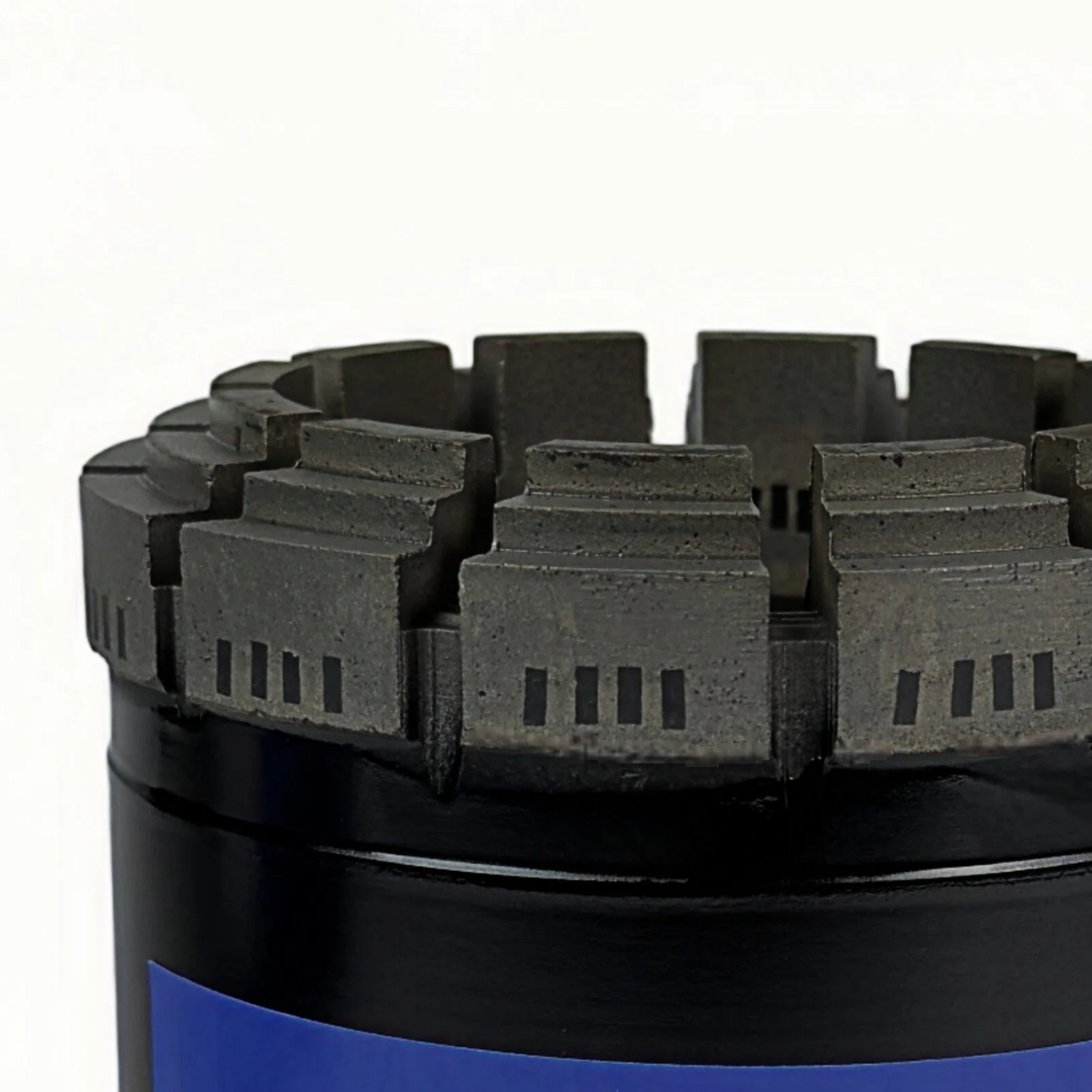
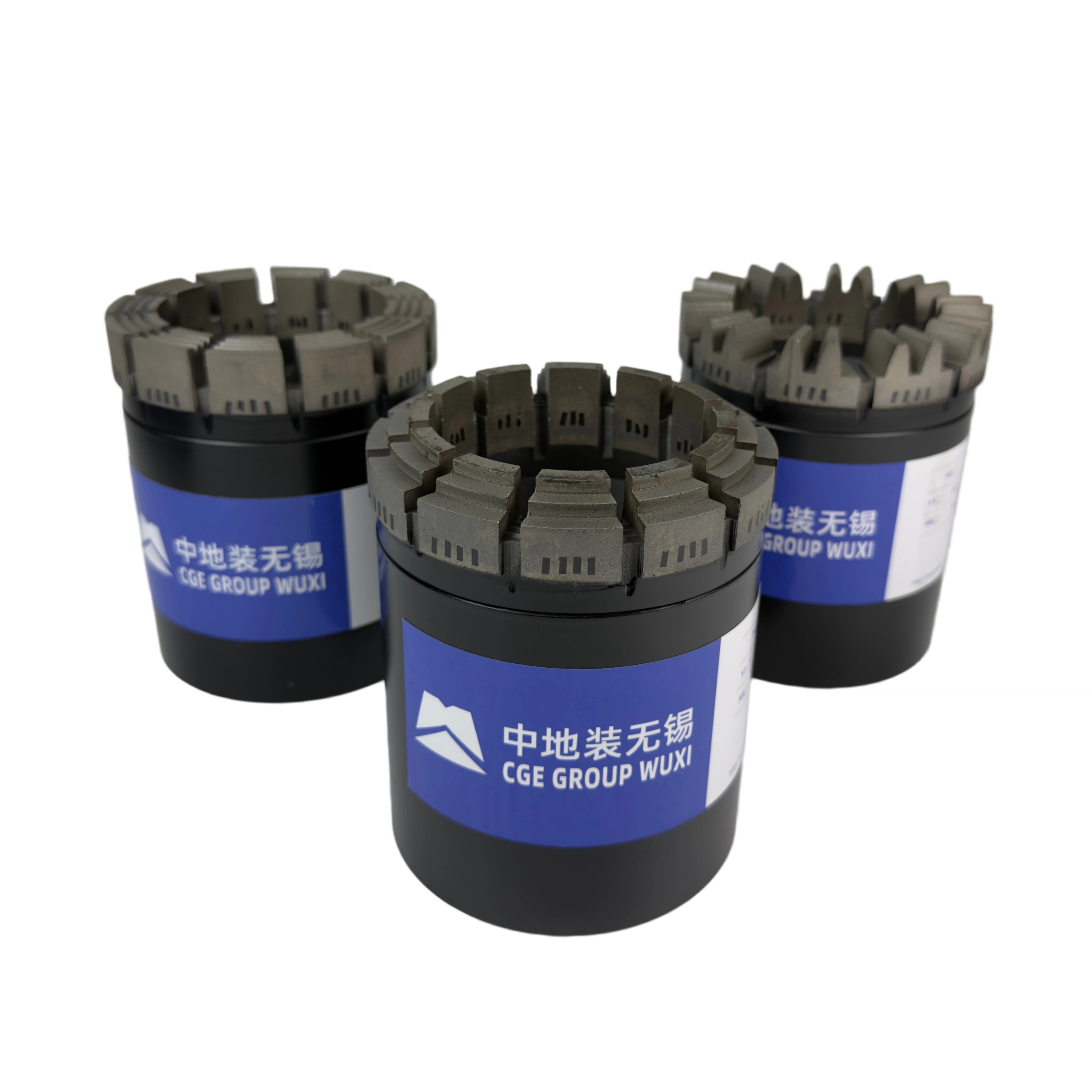
The way segments are shaped in these tools helps them stay away from the walls when drilling, which cuts down on friction quite a bit maybe around 30-35% give or take. At the same time, they keep the cut width pretty consistent within about 0.1 mm either way. Diamonds placed evenly around the tool create those continuous cutting edges that spread out the force evenly across the whole bit. This stops the drill from drifting off course and keeps those straight holes needed for good core samples. There are also special channels running between the segments that let coolant flow better and carry away the rock chips. The segments themselves have a tapered shape that prevents them from getting stuck in really deep holes or tight spaces. Getting the right amount of diamonds distributed properly is key because it lets the tool cut aggressively without breaking apart too easily. This matters most in super rough ground where if one part wears faster than others, the whole cut gets messed up and inconsistent.
Case Study: Wireline diamond core bit with 0.8 mm kerf achieves 98.2% core recovery in quartzite (USGS Field Test, 2023)
According to a recent 2023 field test conducted by the USGS, there's clear evidence showing how controlling the kerf affects core recovery rates. When they tested a wireline diamond core bit with an exact 0.8 mm kerf cut, it managed to recover 98.2% of the quartzite sample. That's actually about 12% better than what most people consider standard in the industry these days. The special way this bit is built with asymmetrical segments helped keep things stable even when spinning at 650 RPM speeds, which means less disruption to the surrounding rock formations. Now here's something interesting: in those tough crystalline rocks where normal bits typically get between 78% and 86% recovery, this thinner kerf design made a big difference. It cut down on those tiny fractures that usually happen during drilling, so geologists can study the rock layers much more accurately without losing important information about their original structure.
Diamond Composition and Bond Optimization for Formation-Specific Precision
Balancing bond hardness and grit size: Harder bonds for abrasive rock; softer, tailored bonds for brittle formations like concrete
The effectiveness of diamond core bits really comes down to getting the right combination of bond hardness and diamond grit size for different types of rock formations. When working with tough abrasive rocks like granite or sandstone, using harder metal bonds along with those bigger 20/30 mesh diamonds helps them last longer without wearing away too fast, plus keeps the cutting edge sharp enough to do proper work. But when dealing with brittle stuff such as structural concrete or shale, things change completely. Here we need softer bronze cobalt bonds combined with much finer diamond particles instead. The reason? These softer bonds actually wear down in a controlled way when pressure is applied, which means new diamonds get exposed regularly during drilling operations. This prevents excessive heat from building up inside the core samples that can cause them to break apart unexpectedly. Field tests show that applying these specific adjustments for reinforced concrete cuts down on core fractures by about 37 percent over standard off-the-shelf setups, making all the difference between successful drilling jobs and costly failures.
Fine-grit optimization (<40/50 mesh) in diamond core bits for structural concrete coring minimizes micro-fracturing
When it comes to structural concrete coring, maintaining sample integrity really matters because it affects whether tests are valid. Ultra fine diamond grit at 40/50 mesh or better spreads out the cutting force over thousands of tiny contact points on the material. This approach reduces pressure in specific areas and helps prevent those annoying micro cracks from forming in cement based materials. Some studies looking at concrete samples show around a 41% reduction in these cracks when using this method. Getting such precise results is absolutely necessary for proper ASTM compressive strength testing since even the smallest flaws can throw off everything. In practice, wireline systems that incorporate this optimized fine grit tend to recover about 99.3% of cores during assessments of tall buildings, which makes them pretty reliable for structural evaluations.
Drilling Parameter Control: RPM, Torque, and Bit Configuration for Angular Accuracy and Core Integrity
Continuous rim vs. segmented diamond core bits: Impact on angular stability (±0.15°) and torsional control at 500–800 RPM
Drilling parameter alignment—especially RPM and torque—is foundational to angular accuracy and core integrity. Diamond core bit configuration enables precise control:
- Continuous rim bits provide uniform formation contact, suppressing vibration and maintaining angular deviation within ±0.15°. Their seamless rim delivers stable torque response, making them ideal for brittle materials like concrete.
- Segmented bits, with spaced cutting sections, excel in heat dissipation and debris evacuation at higher RPMs (650–800), but require vigilant torque monitoring to prevent drift in abrasive formations.
Incorrect RPM selection increases micro-fracturing by up to 30% in hard stone. Matching rotational speed to bit type ensures torsional stability—critical when core orientation informs geological interpretation.
| Bit Type | Angular Stability | Optimal RPM Range | Debris Management | Best For |
|---|---|---|---|---|
| Continuous Rim | ±0.15° | 500–650 RPM | Moderate | Brittle formations |
| Segmented | ±0.22° | 650–800 RPM | High | Abrasive rock |
Application-Specific Adaptations: Preserving Core Validity in Concrete and Hard Stone
Mitigating micro-fracturing in reinforced concrete: How diamond-coated edges (15–25 µm coating) reduce heat-induced damage by 41%
Thermal management is really important when working with reinforced concrete coring because otherwise the friction creates so much heat that micro fractures start forming. Traditional bits that are just impregnated don't handle this as well as diamond coated cutting edges which are about 15 to 25 micrometers thick. These diamond coatings actually work better at getting rid of heat, which cuts down on thermal shock by around 40% according to some lab tests they ran. The special coating helps keep everything together inside the material, so when we extract those core samples, their original structure stays intact with all the same fracture patterns and minerals still present. When paired with proper control over how wide the cut is made, this approach also means less dust gets created and there's minimal disturbance below the surface. What does this mean practically? We end up with samples that haven't been altered geotechnically, making them reliable for figuring out how much weight they can actually support.
FAQ
What is the significance of diamond core bit design in drilling?
Diamond core bit design plays a crucial role in minimizing wall contact during drilling, ensuring consistent kerf width, and enhancing core recovery rates in rough ground.
How does the composition and bond optimization affect drilling performance?
By balancing bond hardness and diamond grit size, drilling performance is optimized for different formations such as abrasive rock or brittle materials, effectively reducing core fractures and heat-induced damage.
What are the advantages of fine-grit optimization in concrete coring?
Fine-grit optimization minimizes micro-fracturing, maintains sample integrity, and ensures accurate ASTM compressive strength testing.
How vital is drilling parameter control?
RPM, torque, and configuration are crucial for angular accuracy and core integrity, especially when core orientation informs geological interpretation.
What adaptations are necessary for preserving core validity?
Using diamond-coated edges to manage heat and micro-fractures helps preserve core validity, maintaining original structure and ensuring reliable geotechnical evaluations.
Table of Contents
- Diamond Core Bit Design: Geometry, Segment Configuration, and Kerf Control
- Diamond Composition and Bond Optimization for Formation-Specific Precision
- Drilling Parameter Control: RPM, Torque, and Bit Configuration for Angular Accuracy and Core Integrity
- Application-Specific Adaptations: Preserving Core Validity in Concrete and Hard Stone