
 EN
EN
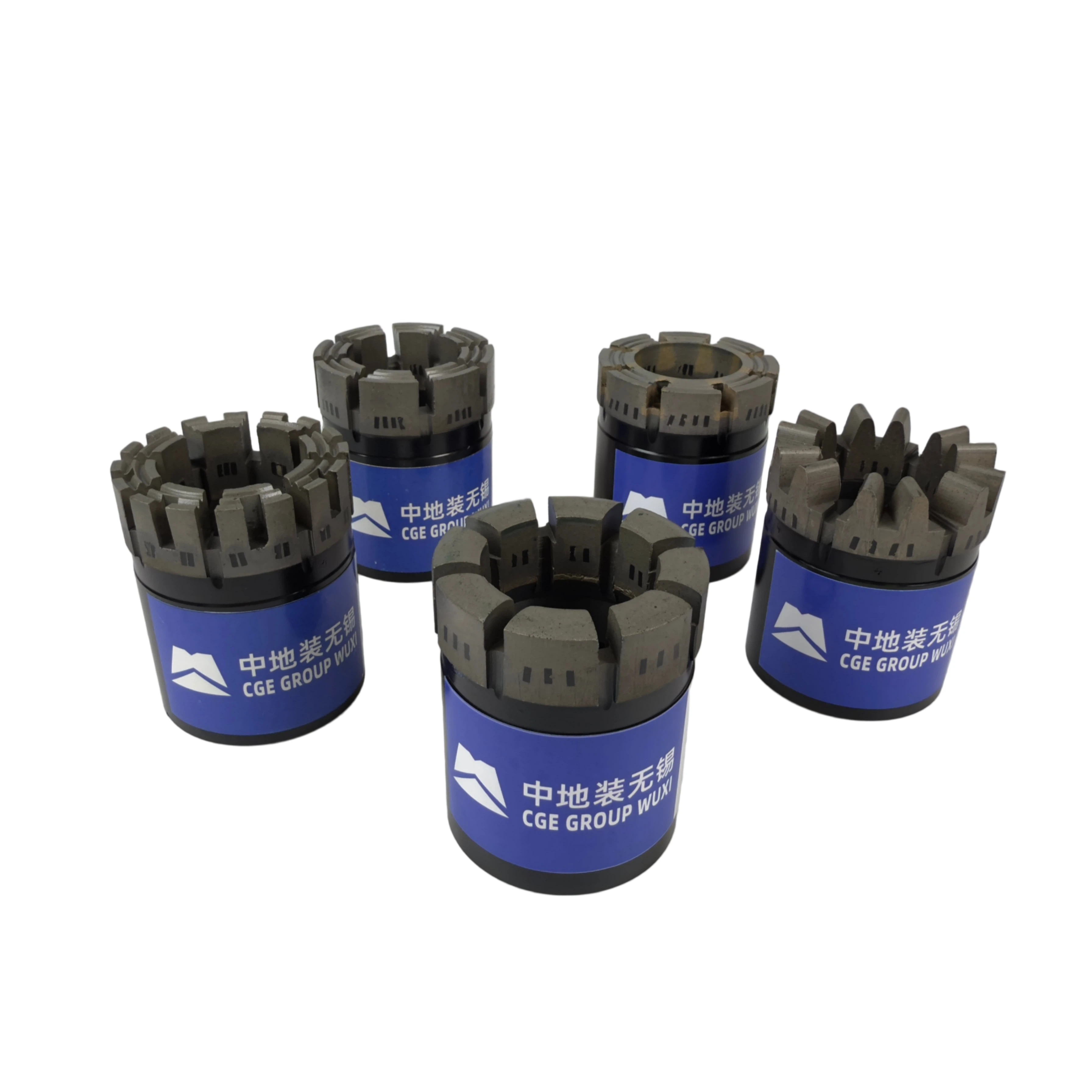
Bit Dimensions and Geometry: How Diameter, Length, and Wall Thickness Affect Diamond Core Bit Cost
Material Volume and Machining Complexity by Size
Larger diamond core bit diameters significantly increase material volume—both steel and diamond—and amplify machining complexity. A 6-inch bit contains over three times the raw material of a 2-inch model, directly raising base costs. Extended barrel length further demands thicker walls to resist deflection during deep drilling, compounding geometric scaling challenges:
- Oversized cores require precision grinding to maintain concentricity within 0.005 inches
- Thicker walls necessitate slower, controlled welding cycles to ensure uniform segment bonding
- Custom coolant channel geometry must be precisely machined to manage heat in larger profiles
These interdependent factors drive non-linear cost growth—diameter increases alone account for 60–80% price jumps between standard sizes.
Cost per Inch Drilled vs. Drilling Ratio Efficiency
True value lies not in upfront cost but in drilling ratio (DR)—inches drilled per thousandth inch of segment wear. The cost-per-inch equation reveals how DR transforms economics:
CPID = (Bit Price + Operational Costs) / (DR × Segment Height × Penetration Rate)
For example:
| Factor | 2-inch bit | 4-inch bit |
|---|---|---|
| Initial cost | $200 | $325 |
| Drilling ratio (DR) | 60 | 100 |
| Cost per inch* | $0.083 | $0.054 |
*Assumes $25/hour labor and 1 inch/minute penetration rate
Higher DR offsets premium pricing by extending usable life—especially where thicker walls resist deformation in abrasive concrete. Initial cost alone is a poor predictor of long-term value.
Diamond Quality and Bond Technology: Key Drivers of Diamond Core Bit Performance and Longevity
Synthetic Diamond Grade, Concentration, and Bond Hardness Impact on Wear Rate
High-grade synthetic diamonds resist microfracture under load, directly extending service life. Diamond concentration—measured in carats per cubic centimeter—governs cutting density: too low reduces efficiency; too high accelerates wear without proportional gains. Bond hardness must align with substrate—softer bonds self-sharpen in hard, abrasive materials like reinforced concrete; harder bonds preserve integrity in softer formations such as sandstone. When properly calibrated, these parameters reduce wear rates by over 40% in demanding applications. Thermally stable diamond formulations also prevent graphitization at elevated drilling temperatures.
Advanced Manufacturing (Laser Welding, CNC Grinding, Sintering Control) and Failure Risk Reduction
Laser welding creates full-metallurgical bonds between segments and sleeves—eliminating porosity that leads to segment detachment under torque. CNC grinding ensures precise segment height and face geometry, enabling even pressure distribution across diamonds. Tight sintering process control regulates alloy density and diamond dispersion, preventing micro-cracks that initiate failure during impact loading. Collectively, these techniques reduce catastrophic failure risk by 60% while preserving coolant channel integrity—directly supporting higher drilling ratios and longer service life.
Operational Economics: Penetration Rate, Drilling Ratio, and Total Cost per Linear Foot
Drilling economics hinge on three interdependent metrics: penetration rate (inches/minute), drilling ratio (segment wear vs. footage), and total cost per linear foot. Faster penetration lowers labor and equipment time costs; superior DR cuts replacement frequency and downtime. The integrated cost model reflects this synergy:
Total Cost per Foot = (Bit Investment + Operational Costs) / Total Footage Drilled
Field data shows a 20% penetration rate improvement can reduce operational costs by 15–18% per project, while doubling DR cuts aggregate bit expenses by 30–40% (Construction Drilling Journal, 2023). Consequently, a bit priced 30% higher but lasting twice as long typically delivers 40% lower lifetime cost per foot. Smart selection prioritizes engineered efficiency—not just initial price—across concrete, asphalt, and reinforced substrates.
Brand Value and Support Infrastructure: How R&D, Field Validation, and Warranty Shape Diamond Core Bit Pricing
Premium Pricing Justified by Real-World Data, Technical Support, and Lifetime Cost Assurance
Premium pricing reflects investment in performance assurance—not markup. Leading manufacturers deploy rigorous R&D to refine bond formulations that improve diamond retention under extreme stress, reducing premature segment wear by up to 40% versus generic alternatives. Thousands of validated field hours across diverse geologies generate performance datasets that inform iterative design improvements—yielding measurable gains in both penetration rate and DR. This empirical foundation justifies higher initial cost when evaluating lifetime expense per linear foot. Equally critical is technical support: immediate access to field engineers helps resolve site-specific issues before they escalate into costly delays. Comprehensive warranties covering segment detachment or core barrel failure shift financial risk from contractor to manufacturer—repositioning premium bits as long-term assets rather than consumables. Contractors maximize ROI by selecting suppliers with documented case studies, responsive engineering support, and warranty-backed performance guarantees.
FAQ Section
What factors affect the cost of diamond core bits?
Key factors include the diameter, barrel length, wall thickness, synthetic diamond grade, bond technology, and manufacturing techniques. Larger dimensions and premium-quality materials drive higher costs due to increased complexity and material volume.
How does drilling ratio impact long-term economics?
Drilling ratio (DR) represents the inches drilled per thousandth inch of segment wear. Higher DR improves economic efficiency by extending usable life, lowering the cost per inch drilled, and reducing replacement frequency.
Why is premium pricing justified for certain diamond core bits?
Premium pricing reflects advanced R&D, field validation, superior manufacturing methods, and extensive warranties. These factors ensure better performance, longevity, and lower lifetime costs per linear foot.
What role does advanced manufacturing play in reducing failure risk?
Techniques like laser welding, CNC grinding, and sintering control eliminate manufacturing defects, enhance material dispersion, and create stronger bonds, reducing catastrophic failure risk by up to 60%.
Table of Contents
- Bit Dimensions and Geometry: How Diameter, Length, and Wall Thickness Affect Diamond Core Bit Cost
- Diamond Quality and Bond Technology: Key Drivers of Diamond Core Bit Performance and Longevity
- Operational Economics: Penetration Rate, Drilling Ratio, and Total Cost per Linear Foot
- Brand Value and Support Infrastructure: How R&D, Field Validation, and Warranty Shape Diamond Core Bit Pricing
- FAQ Section