
 EN
EN
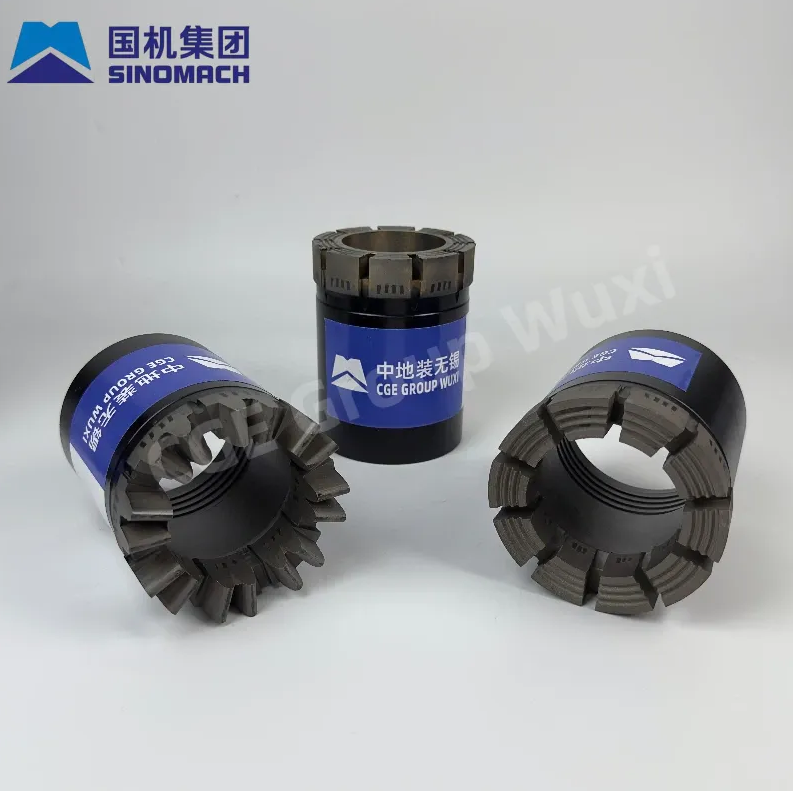
Optimized Drilling Parameters to Extend Diamond Core Bit Service Life
Balancing Weight on Bit, RPM, and Torque to Prevent Thermal Runaway
Uncalibrated drilling parameters are a leading cause of premature diamond core bit wear—studies indicate mismatched weight on bit (WOB), rotational speed (RPM), and torque can reduce service life by up to 60% (International Association of Drilling Contractors, 2024). Excessive WOB forces diamond grains to chip or dislodge before uniform wear occurs; insufficient RPM causes diamonds to flatten rather than cut cleanly, increasing friction. Inconsistent torque introduces micro-cracks in the segment bond, which propagate under cyclic loading. When all three parameters fall outside optimal ranges, heat generation outpaces dissipation—triggering thermal runaway. This overheating softens the metal bond matrix, accelerating segment loss and ending service life well before design expectations.
Coolant Delivery and Flushing Efficiency: Wet Drilling Best Practices for Diamond Core Bit Longevity
Effective coolant delivery does more than cool—it flushes cuttings from the drill face to prevent secondary abrasion and localized heating. Trapped cuttings insulate the bit surface, impeding heat transfer and increasing friction across segments. For best results, match coolant flow rate to both hole diameter and rock abrasiveness: higher flow is essential in abrasive formations to maintain continuous cuttings removal. Nozzle placement must ensure full-face coverage—gaps as small as 1–2 mm can create hot spots that drive uneven wear and premature segment failure. Inspect coolant lines before each run to eliminate blockages and preserve consistent pressure and flow throughout the operation.
Diamond Core Bit Design Factors That Determine Operational Durability
Bond Matrix Hardness and Diamond Concentration Alignment with Rock Type
Bond matrix hardness and diamond concentration are the two most consequential design variables governing diamond core bit durability in mining applications. The bond matrix secures diamond grit and controls its exposure rate during drilling: softer bonds wear faster to reveal fresh cutting edges—ideal for hard, abrasive rock—while harder bonds resist erosion in softer, less abrasive formations, maximizing diamond utilization. Diamond concentration (measured in carats per cubic centimeter) directly influences stress distribution; higher concentrations spread cutting load across more points, slowing overall degradation. Mismatching either attribute to formation characteristics can shorten usable life by up to 40% (Global Drilling Industry Association, 2024).
Field Handling, Maintenance, and Avoiding Common Diamond Core Bit Failures
Even with ideal parameters and robust design, field handling and maintenance gaps remain among the most frequent causes of avoidable bit failure. Industry field data shows preventable errors—including overdrilling through formation transitions, unplanned dry drilling, abrupt parameter shifts, and excessive downward pressure—reduce average bit lifespan by up to 40% (Global Mining Tooling Association, 2024).
Three post-use maintenance actions consistently extend service life:
- Thoroughly clean cutting surfaces to remove embedded debris that accelerates wear on subsequent runs
- Fully dry the bit to inhibit corrosion—especially critical for steel-core barrels and brazed segments
- Store in a padded, climate-controlled container to prevent chipping, bending, or misalignment
Pre-use inspections should focus on cracked or delaminated segments, asymmetric wear patterns, and barrel straightness. Early detection allows for reconditioning or timely replacement—avoiding costly mid-hole failures. Logging wear trends alongside drilling conditions (e.g., formation changes, parameter adjustments, flushing performance) builds institutional knowledge that improves bit selection, operational planning, and cost control across successive projects.
Partner with CGE Group for Premium Diamond Core Bits & Custom Drilling Solutions
As a trusted OEM/ODM drilling tools manufacturer with 68+ years of industry expertise, CGE Group delivers high-performance diamond core bits engineered for geological exploration, mining, and construction projects worldwide. Our diamond core bits feature precision-tuned bond matrix hardness, optimized diamond concentration, and strict quality control—designed to match diverse formation conditions, extend service life, and lower your operational costs.
We specialize in custom drilling tool solutions tailored to your unique project requirements, offering full OEM/ODM support, private labeling, and technical guidance to maximize your drilling efficiency. Whether you need standard DCDMA-compliant diamond core bits or customized drilling tools for challenging formations, our professional R&D team and strict QC processes ensure consistent quality and reliable performance.
Ready to upgrade your drilling operations with durable, cost-effective diamond core bits? Contact our B2B sales team today to discuss your project needs, request a custom quote, or learn more about our full range of drilling tools and OEM cooperation options. We look forward to becoming your long-term trusted partner for premium drilling solutions!
FAQ
What are the main factors that lead to premature diamond core bit wear?
Uncalibrated drilling parameters such as mismatched weight on bit (WOB), rotational speed (RPM), and torque are major contributors. Excessive WOB, insufficient RPM, and inconsistent torque can lead to heat buildup, diamond grain damage, and micro-cracks in the metal bond matrix.
How does coolant delivery impact diamond core bit longevity?
Coolant delivery prevents overheating by dissipating heat and flushing cuttings from the drill face. Proper coolant flow rate and full-face nozzle coverage reduce secondary abrasion, localized heating, and hot spots that can accelerate wear.
What are the key design factors that determine a diamond core bit’s durability?
Two critical design factors are bond matrix hardness and diamond concentration. These should align with the rock type being drilled to optimize wear resistance and diamond utilization.
What maintenance practices help extend diamond core bit service life?
Post-use cleaning, thorough drying, and proper storage in climate-controlled conditions prevent wear, corrosion, and physical damage. Pre-use inspections can catch early signs of wear or damage for timely repairs or replacement.
What is thermal runaway, and how does it affect diamond core bits?
Thermal runaway occurs when heat generation exceeds dissipation, causing the metal bond matrix to soften and accelerate segment loss, ultimately reducing the bit’s service life.
Table of Contents
- Optimized Drilling Parameters to Extend Diamond Core Bit Service Life
- Diamond Core Bit Design Factors That Determine Operational Durability
- Field Handling, Maintenance, and Avoiding Common Diamond Core Bit Failures
- Partner with CGE Group for Premium Diamond Core Bits & Custom Drilling Solutions
-
FAQ
- What are the main factors that lead to premature diamond core bit wear?
- How does coolant delivery impact diamond core bit longevity?
- What are the key design factors that determine a diamond core bit’s durability?
- What maintenance practices help extend diamond core bit service life?
- What is thermal runaway, and how does it affect diamond core bits?