
 EN
EN
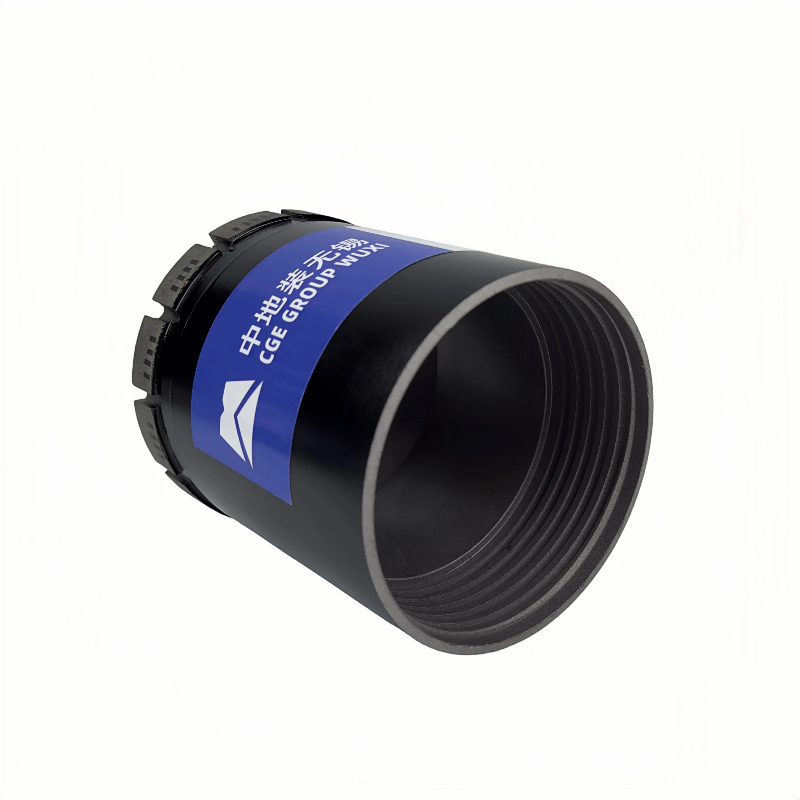
خصائص التكوين وتأثيرها المباشر على أدوات الحفر
التركيب الصخري، وصلادة الصخور، والسلامة البنائية
التركيب الصخري — أي التركيب الفيزيائي والكيميائي للصخر — يُعَد العامل الأساسي الذي يحدد أداء أدوات الحفر. وتقاس صلادة الصخور بدقةٍ أكبر عادةً بمقاومة الانضغاط الأحادي (UCS)، وهي ما تتحكم مباشرةً في مقدار القوة المطلوبة لتكسير وقطع مادة التكوين. وقد أكدت دراسة نُشِرت عام ٢٠٢٥ في مجلة ميكانيكا الصخور وهندسة الصخور أن مقاومة الانضغاط الأحادي (UCS) ونسيج الصخر هما العاملان الرئيسيان المؤثران في كفاءة القطع: فالتكوينات الأكثر كثافةً والأقل مساميةً تتطلب طاقةً أعلى بكثير من أدوات الحفر أدوات الحفر
التباين في التكوين وتأثيره على اهتراء أدوات الحفر ومعدل الاختراق (ROP)
يُعَدّ التباين في التكوين — أي التغيرات غير المخطَّط لها في خصائص الصخور عبر فترة واحدة — ظاهرةً تظهر عادةً على هيئة طبقات متناوبة من الطبقات اللينة والصلبة. ويؤدي هذا التباين إلى اضطراب في التماس القاطع المنتظم، ما يُسرِّع الاهتراء الموضعي ويُولِّد إجهادات دورية على هيكل الثاقب وقاطعاته. وفي الواقع، تؤدي التغيُّرات المتتالية في أنواع الصخور إلى خفض متوسط معدل الاختراق (ROP) بنسبة ٢٠–٣٥٪ مقارنةً بالمقاطع المتجانسة، وتزيد من معدل تشقُّق القواطع بنسبة تصل إلى ٥٠٪، وفقًا للبيانات الميدانية التي جمعتها رابطة مقاولي الحفر الدولية (IADC) في عام ٢٠٢٤. كما أن حركة القطع المتقطعة الناتجة عن ذلك — والتي تشبه الحركة «الوقف-البدء» — تعزِّز الاهتزازات الليفية، ما يؤدي إلى تدهور أطول عمر لأداة الحفر وزيادة الوقت غير المنتج.
تصميم أدوات الحفر واختيار المواد وإدارة حالة الأداة
هندسة الثاقب وترتيب القواطع ومقايضة المصفوفة مقابل قواطع الكربون الماسي متعدد البلورات (PDC) لتحقيق أدوات حفر مثلى
هندسة قطع الحفر وتوزيعها ليست سمات ثابتة—بل هي خيارات هندسية مُخصصة حسب التكوين الصخري، وتؤثر مباشرةً على معدل الحفر (ROP)، والاستقرار الاتجاهي، ومقاومة البلى. وتؤدي الهندسة المُحسَّنة إلى تقليل السحب غير المفيد وتركز القوة في الموضع الذي تكون فيه أكثر فاعلية؛ كما أن توزيع المسافات بين قواطع الحفر بشكل متساوٍ يمنع تركُّز الأحمال ويؤخِّر الفشل المحلي. ويتوقف الاختيار بين قطع الحفر ذات الجسم المصفوفي (Matrix-body) وقطع الحفر المصنوعة من كربيد التنجستن المغلف بالألماس (PDC) على سلوك التكوين الصخري: إذ تتفوق قطع الحفر المصفوفية في الصخور الصلبة عالية التأثير أو المتكسرة أو شديدة التغير بسبب متانتها الفائقة واستقرارها الحراري. أما قطع الحفر من نوع PDC فتوفر معدل حفر (ROP) أعلى بنسبة ٢٠–٣٠٪ في التكوينات اللينة إلى المتوسطة والملفِّفة، لكن طبقة الألماس الهشة فيها عُرضة للتشقق عند التعرُّض لصدمات مفاجئة أو عند الحفر في طبقات صخرية صلبة متداخلة. ولذلك يتطلب الاختيار بين النوعين موازنةً بين سرعة الاختراق والتوقعات المتعلقة بالمتانة—وليس فقط نوع الصخر، بل وكيف يتصرف هذا الصخر تحت الأحمال الديناميكية.
أنماط البلى في ظروف التشغيل الفعلية وانخفاض أداء أدوات الحفر استنادًا إلى حالتها
تتدهور أدوات الحفر بشكل متوقع—ولكن ليس بشكل موحد. وتشمل أنماط التآكل الشائعة تبلُّد القطع (فقدان الحدة)، وتآكل المقياس (الانخفاض في قطر الثاقب)، وتآكل أسطح المصفوفة أو جسم الثاقب الفولاذي. وتُظهر الدراسات الميدانية أنه بمجرد تجاوز تبلُّد القطع لقيمة ٠٫٥ مم من التآكل الشعاعي، تنخفض سرعة الحفر (ROP) بنسبة ~١٢٪ لكل ٠٫١ مم إضافي—وتزداد عزم الدوران (Torque) بشكل غير متناسب، ما يرفع خطر الاهتزاز. وبشكل بالغ الأهمية، فإن تقدُّم التآكل نادرًا ما يكون خطيًّا: إذ يمكن لحاجز صخري واحد صلب أن يسرِّع من عملية التدهور أكثر مما تفعله مسافة ١٠٠ متر من التكوين المتجانس. أما الإدارة القائمة على حالة الأداة—والتي تعتمد على إشارات العزم والسرعة وضغط الحفر في الوقت الفعلي، إلى جانب الفحص بعد الاستخدام—فتمكن من استبدال الثاقب بشكل استباقي قبل حدوث أعطال ثانوية. وقد حقَّقت هذه المنهجية تخفيضًا بنسبة ٣٨٪ في عمليات سحب الثوائب غير المخطط لها في العمليات البحرية المرجعية (IADC 2023).
المعلمات التشغيلية التي تُحسّن كفاءة أدوات الحفر إلى أقصى حد
تحسين وزن الثاقب، والسرعة الدورانية (RPM)، وضغط السائل/الهواء
الضبط الدقيق للمعايير التشغيلية أمرٌ بالغ الأهمية—وليس اختياريًّا—لتحقيق أقصى استفادة من معدل الحفر (ROP) وعمر القاطع. ويجب أن تكون الحمل على القاطع (WOB) كافيًا للحفاظ على اختراق ثابت للقاطع دون تجاوز الحدود الميكانيكية للقاطع أو التسبب في ظاهرة الالتصاق-الانزلاق (stick-slip). وتؤثر سرعة الدوران (RPM) على كلٍّ من الحمل الحراري وتكرار الصدمات: فالسرعة العالية جدًّا في التكوينات الصلبة تُسرِّع إجهاد التعب الذي يصيب القواطع، بينما السرعة المنخفضة جدًّا في التكوينات اللينة تُقلِّل من معدل الحفر (ROP) وتشجِّع على تشكُّل الكرات (balling). ويجب معايرة ضغط السائل أو الهواء لضمان نقل المخلفات بكفاءة وتبريد القاطع بشكل فعّال؛ إذ إن الضغط المنخفض جدًّا يعرِّض القاطع لخطر تشكُّل الكرات (bit balling) والتشقُّق الحراري، أما الضغط المرتفع جدًّا فيُسهم في تآكل الفوهات وختمات المحامل. وقد أظهرت النطاقات الميدانية المُثبتة عمليًّا للحمل على القاطع/سرعة الدوران (WOB/RPM)—والتي تُعدَّل ديناميكيًّا باستخدام القياسات عن بُعد من أسفل البئر—زياداتٍ في معدل الحفر تتراوح بين ١٥٪ و٣٠٪، وزيادةً في متوسط عمر القاطع بنسبة ٢٥٪ عبر عدة أحواض.
ديناميكا سلسلة الحفر وتأثير تنظيف الحفرة على عمر أدوات الحفر
الاهتزاز والانحناء وكفاءة إزالة المخلفات فيما يتصل بعمر أدوات الحفر
تُعَدُّ الاهتزازات غير الخاضعة للرقابة في سلسلة الحفر—including الانزلاق والالتصاق، والدوران الجانبي، والارتداد المحوري—من أشد القوى تدميرًا المؤثرة على أدوات الحفر. وتستشهد إرشادات معهد المقاولين الدوليين لعام ٢٠٢٣ بشأن التخفيف من الاهتزازات بأدلة تجريبية تُظهر أن استمرار ظاهرة الانزلاق والالتصاق يقلل العمر الافتراضي للأدوات بنسبة تصل إلى ٤٠٪، ويعود ذلك أساسًا إلى تشكل شقوق دقيقة في قواطع الكاربايد المعدني المُدمَّج (PDC) والإجهاد التعبوي في أجسام الثقالات وأنظمة المحامل. وبالمثل، يؤدي الانحناء المتكرر الناتج عن المنعطفات الحادة (Doglegs) أو تركيبات المعدات غير المحاذية إلى إجهاد تعبوي تراكمي في الوصلات المُلولبة وأجسام المُثبِّتات. ويُفاقم تنظيف البئر بكفاءة هذه التأثيرات: إذ تعيد الرقع المحبوسة الدوران عبر القواطع مسببةً احتكاكًا ثلاثي الأجسام يؤدي إلى تبلُّد الحواف بشكل أسرع وزيادة الحرارة الناتجة عن الاحتكاك. أما الحفاظ على السرعة الحلزونية في الفراغ الحلقي فوق العتبة الحرجة لنقل الرواسب—والتي يتم التحقق منها عبر نماذج جريان فعلية في الوقت الحقيقي—فيُبقي الرواسب عالقةً في الطور السائل ويحمي هياكل القطع، ما يطيل عمر الأداة بمتوسط ١٧٪ في الآبار المائلة.
الأسئلة الشائعة
ما المقصود بال литولوجيا، ولماذا تكتسي أهميةً بالغةً في عمليات الحفر؟
تشير الليثولوجيا إلى التركيب الفيزيائي والكيميائي للصخور. وهي تؤثر في عملية الحفر من خلال تحديد الطاقة المطلوبة لتكسير التكوينات وقطعها، فضلاً عن تأثيرها في اهتراء الأدوات والتحديات التشغيلية.
كيف تؤثر تباين التكوينات على أداء الأدوات؟
يؤدي تباين التكوينات، مثل الطبقات المتداخلة من الصخور اللينة والصلبة، إلى اضطراب في تلامس القطعات مع الصخور، ويزيد من معدل الاهتراء والاهتزاز، ويقلل من معدل الاختراق (ROP) بسبب الإجهادات الدورية وأعمال القطع المتقطعة (الانطلاق والتوقف).
ما العوامل التي ينبغي أن تُرشد اختيار أدوات الحفر؟
تشمل هذه العوامل هندسة الثقبة (Bit Geometry)، وتوزيع القطعات (Cutter Layout)، والمفاضلة بين مواد المصفوفة أو قطع الكاربايد الماسي متعدد البلورات (PDC)، وكذلك السلوكيات الخاصة للصخور تحت الظروف الديناميكية. ومن الأساسي تحقيق توازنٍ بين سرعة الاختراق والمتانة.
كيف يمكن تحسين المعايير التشغيلية لتحقيق كفاءة أعلى في الحفر؟
يجب ضبط وزن الحفر (WOB)، والسرعة الدورانية (RPM)، وضغط السائل/الهواء بشكل ديناميكي استنادًا إلى بيانات القياس والاستشعار الفورية (Real-time Telemetry) لتحسين اختراق القطعات، وإدارة الأحمال الحرارية، وضمان نقل المخلفات بكفاءة.
ما الدور الذي تلعبه الاهتزازات في طول عمر أدوات الحفر؟
يمكن أن تؤدي الاهتزازات غير المُتحكَّم فيها، مثل الاهتزازات الناتجة عن الانزلاق والالتصاق (Stick-Slip) أو الاهتزازات الجانبية الدوارة (Lateral Whirl)، إلى تقليل عمر الأداة بشكل كبير من خلال التسبب في تشققات دقيقة، والإجهاد التعبوي، والتدهور المتسارع. ومن الضروري تطبيق تقنيات فعالة للتخفيف من هذه الظواهر.