
 EN
EN
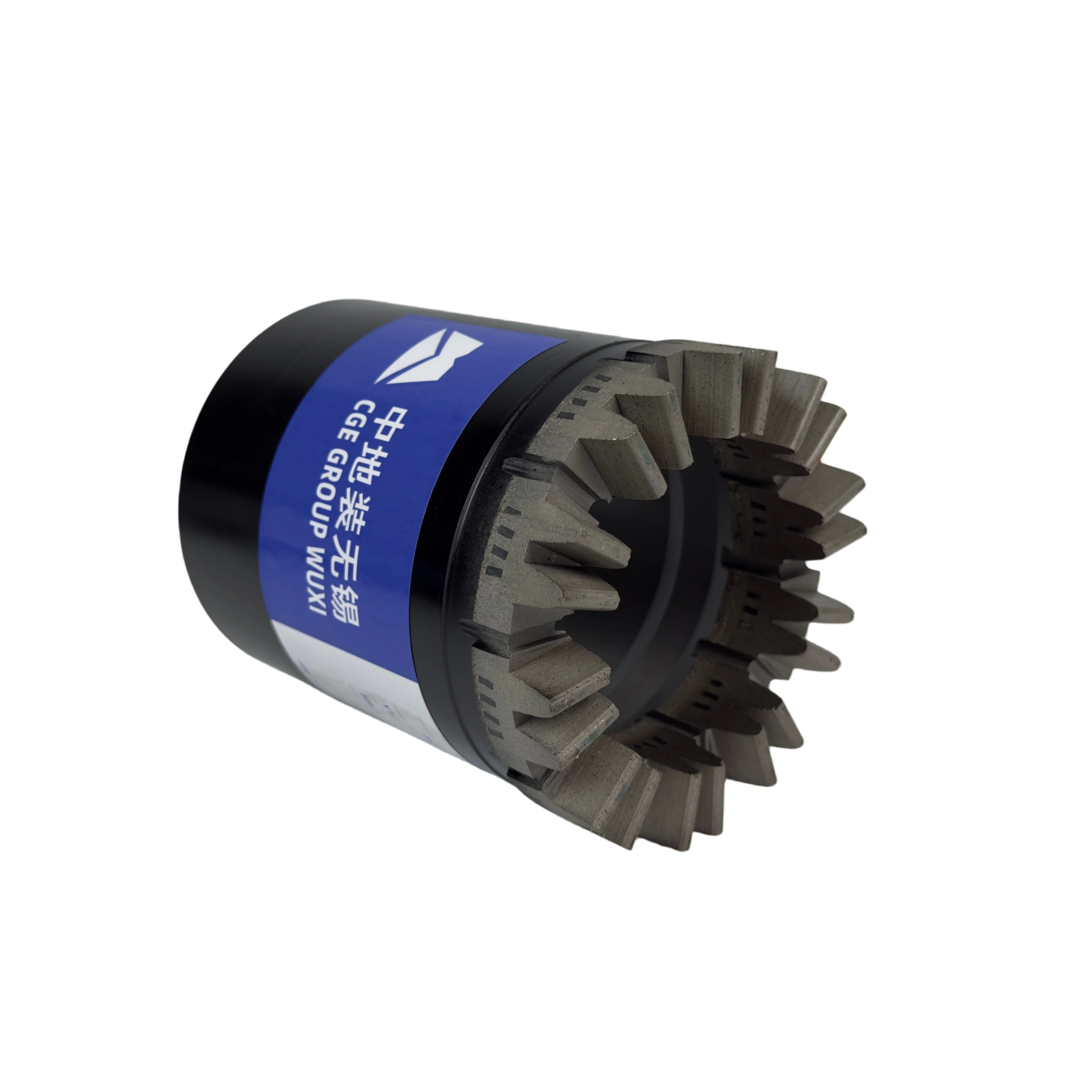
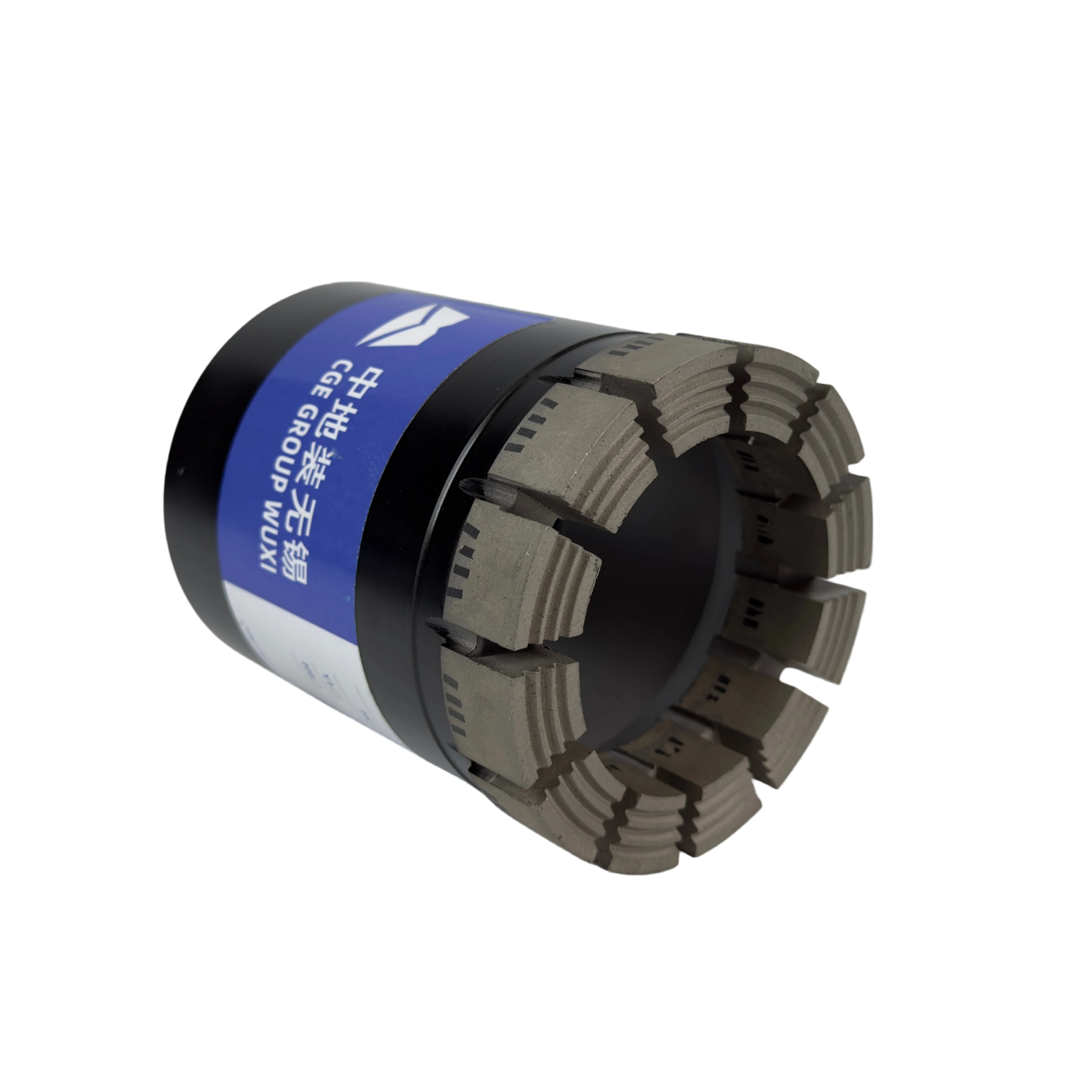
Recta Purificatio et Eliminatio Detriti ad Mater gladi Longitudo
Neglecta detriti remotione efficiens incisionis minuitur et usura acceleratur. Detritus induratus aequilibrium rotationis usque ad 30 % minuit, vibrationum periculum in subsequentibus operationibus augens (Investigatio Industrialis Perforationis 2023). Haec protocolla statim post perforationis cessationem adhibenda sunt.
Statim post perforationem adhibenda sunt lavationis protocolla ad duritionem resinis et obturationem segmentorum praevendendam
Aqua per tubum perflui debet ad pressionem circiter 60 ad 80 libras per pollicem quadratum statim post cessatum perfodere, optime intra circiter 90 secunda. Pressio sufficiens esse debet ut limus expellatur, sed non tam alta ut iuncturae in aurichalcum factae laedantur. Plurimi technici inveniunt aquam per tres gradus fluere optime: primum in anterius, deinde in posterius, tum rursus in anterius. Haec ratio adiuvat ut omnis sordis e spatiis angustis inter segmenta haerens amoveatur. Cum autem concretum modificatum polymere tractatur, unum adiectivum gradum meminisse oportet: emulsificator neutri pH ad aquam addendus est antequam resina vere incipiat solidescere. Hoc praeceptum tempestive adhibitum impedit ut totum systema postea perpetuo obturetur, quod segmenta exponit ubi necessaria sunt ad rectam functionem.
Mundatio ultrasonica contra lavationem manualem: comparatio efficaciae pro nucleis concreti indurati et asphaltilis
| Modus | Ratio Remotionis Sordis | Periculum Integritatis Segmentorum | Tempus/Nucleus (minuta) |
|---|---|---|---|
| Ultrasonic | 98% | Parvum (±5% fracturae microscopicae) | 8–10 |
| Spargatio Manu | 72% | Moderatum (15 % marginis fracturae) | 12–15 |
Purgatio undulis ultrasonoris circa 40 kHz particulas asphaltilis duras ter quater celerius solvit quam methodi manuales purgationis vulgares. Praeterea fere omnem materiam pulvulentam etiam in formis ac angulis difficilibus tollit. Cave autem si iam rimae in segmentis bituminosis ante initium operis adsunt: effectus cavitatis ex processu ultrasonoro rimas illas per tempus aggravare potest. Cum res durissima concreti residua tractanda est, utere scobis cum setis nylonis. Move eas motu circulari a partibus diamantinis instrumenti averso. Sic angulus rectus servatur ad efficaciam maximam simul ne materiale agglutinans, quod omnia tenet, laedatur.
Inspectio Ordinaria Segmenti Foraris Diamantini et Integritatis Tubi
Diagnostica visu et tactu: identificatio microfracturarum, delaminationis segmentorum, et ovalitatis tubi
Inspecta bita visu et tactu dum adhuc calida sunt et dum paternae detriti nondum consederunt. Digitos indutos mititer per singulos segmentos trahite, ut minuta frustula inveniatis — istae parvae fracturae sub duobus millimetris, quae primo causant diamantos cito decidere. Dum examinatis loca ubi segmenta cum culmine coniunguntur, cavete spatia lunata inter ea. Haec saepius significant materiam iam discedere incipere. Ad explorandum an culmen rotundus maneat, tentate bitam super superficiem planissimam ac certificatam pro accuratia volvere. Si vacillet aut inaequaliter vertatur, fortasse in formam ovalis mutata est. His problematibus prudenter detectis omnia differunt. Ex relationibus ex variis industriae campis, si vitia ante quam gravia fiant agnoscantur, impensae pro substitutione minui possunt circiter octodecim pro cento, potius quam expectare donec aliquid penitus frangatur.
Post operationem mensura dimensionum utens calibros et indicatores eccentricitatis ad detegendam deformationem thermicam
Primum permitte ut pars frigescat ad temperaturam ambientem dum mensurationes capiuntur. Adhibe illas calibratas caleptrices digitales et examina altitudinem segmenti in positionibus septentrionali, meridionali, orientali et occidentali. Si differentia inter lectiones plus quam medium millimetrum est, id significat deformationem thermicam accidisse et instrumentum reiciendum est. Ad examen distorsionis tubularis, etiam indicem eccentricitatis profer. Cum lectiones ultra limitem tolerantiae 0,1 mm excedunt, scimus damnum structurale fieri. Technici qui his normis mensurarum stant, saepe vitam operativam suorum instrumentorum prope 30 % longiorem observant, quod simpliciter evitant illos molestos defectus, qui a tensione oriuntur. Et noli oblitus esse ut recte omnes datas calibrationis pro singulis instrumentis inspectionis retineas. Bona documentatio omnem differentiam facit, cum postea de fide dignitate nostrorum resultatorum diagnosticorum iudicare volumus.
Gestio Refrigerantis et Controlus Thermalis pro Performance Diamantae Coring Bit
Compendium inter forationem humida et arida: data de stress thermico ex experimentis in campo (ΔT > 120 °C in modo arido)
Usus methodorum forationis humidae vere extendit vitam segmentorum diamantiferorum. Cum ad operationes in campo spectamus, foratio arida temperaturas segmentorum ultra 120 gradus Celsius auget. Haec temperaturae quantitas multo superat punctum ubi diamanti incipiant resolvi et matrix metalli circum eos cito magis abraditur quam normale est. Ex altera parte, refrigeratio per fluxum aquae continuum temperaturas operativas infra 50 gradus servat. Haec ratio varia praebet commoda quae notatu digna sunt omnibus qui his instrumentis saepe utuntur.
- Efficiens dissipatio caloris ex frictione
- Fluxus continuus per scissuram ad impediendam repositionem detriti
- Minuens adhaesionem inter segmenta et substratum
Uti refrigerante lubrificante adiuvat vires torsionis minuere, quae in lateribus tubi accumulantur, quod rem rotundam servat et bonam rotationem durante operatione conservat. Ut optima machinae efficiantur, plerique operatorum inveniunt fluxum refrigerantis inter tres et quinque gallos per minutum bene procedere, quamquam fortasse eum augere debeant cum materiis durioribus aut densioribus operantur. Cum speciatim in concretum porosum secantur, refrigerantia emulsificata tendunt fluidum retinere ubi maxime necessarium est, in area sectionis. Haec refrigerantia calorem efficaciter regunt sine vinculis inter materiales perturbandis aut remotione limi idonea a loco operis impediendis.
Sectio FAQ
Cur removenda sunt reliquiae pro morsellis diamantinis?
Negligere remotionem reliquiarum potest efficaciam sectionis minuere, usum accelerare et periculum vibrationis augere.
Quae protocolla post sectionem statim instituta impediunt induratio resinis et obturationem segmentorum?
Flue aquam per cannam ad 60–80 psi intra 90 secunda post forationem, ut duratio resinae et obturatio impediatur.
Quomodo netio ultrasonica et spungatio manu facta in remotione sordium inter se conferunt?
Netio ultrasonica 98 % sordium removet, cum minori periculo segmentorum laesionis quam spungatio manu facta (72 %).
Cur inspectio ordinaria segmentorum foraminis diamantini importantis est?
Praecox detectio rerum ut microfracturae et delaminatio segmentorum impensas pro substitutione minuit et vitam instrumenti prolongat.
Index Contentorum
- Recta Purificatio et Eliminatio Detriti ad Mater gladi Longitudo
- Inspectio Ordinaria Segmenti Foraris Diamantini et Integritatis Tubi
- Gestio Refrigerantis et Controlus Thermalis pro Performance Diamantae Coring Bit
-
Sectio FAQ
- Cur removenda sunt reliquiae pro morsellis diamantinis?
- Quae protocolla post sectionem statim instituta impediunt induratio resinis et obturationem segmentorum?
- Quomodo netio ultrasonica et spungatio manu facta in remotione sordium inter se conferunt?
- Cur inspectio ordinaria segmentorum foraminis diamantini importantis est?